
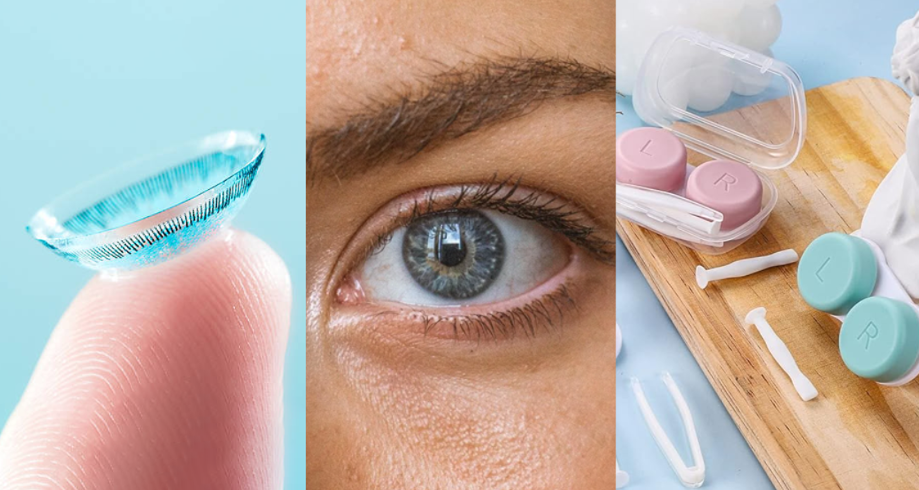
Are Colored Contact Lenses Safe for Daily Use?
Colored contact lenses can transform your appearance instantly. They allow people to experiment with different eye colors and styles. But many users ask an important question: are colored contact lenses safe for everyday use?
The answer is yes, but only when they are used correctly.
Safe lenses are designed with breathable materials and strict manufacturing standards. They allow oxygen to pass through the lens to the cornea. This keeps the eye healthy during wear. Unsafe lenses, especially those sold without regulation, may block oxygen and irritate the eyes.
Another important factor is proper fit. Even cosmetic lenses without vision correction must be fitted to the eye. Every eye has a different curvature and size. Wearing poorly fitted lenses can scratch the cornea or cause inflammation.
Daily wear also means following good habits. Lenses should be worn only for the recommended time. They should also be cleaned and stored properly after each use.
When these basic guidelines are followed, colored contact lenses can be worn safely as part of everyday style without harming eye health.
FDA Approval and Why It Matters
Many people assume colored lenses are simple cosmetic accessories. In reality, they are medical devices.
Because of this, colored contact lenses must be approved by regulatory authorities such as the FDA. This approval ensures the lenses meet safety and quality standards.
FDA-approved lenses go through testing for:
- Material safety
- Oxygen permeability
- Manufacturing quality
- Eye compatibility
Lenses sold without approval may use low-quality materials or unsafe dyes. These products are often found in costume stores, beauty shops, or unverified online sellers.
Buying lenses from unreliable sources increases the risk of eye infections, corneal scratches, and allergic reactions.
To verify safety, users should:
- Buy lenses from licensed retailers
- Ensure the brand offers FDA-cleared products
- Always follow a prescription and professional fitting
These steps ensure the lenses are designed for safe eye contact and long-term wear.
Treating colored contact lenses like medical products instead of fashion accessories greatly reduces risk.
Essential Daily Care and Hygiene Practices
Good hygiene plays a major role in contact lens safety.
Improper handling is one of the leading causes of eye infections. Fortunately, simple habits can prevent most problems. Before touching colored contact lenses, always wash your hands thoroughly with soap and water. Dry them with a lint-free towel before handling lenses.
Next, lenses should be cleaned using a proper contact lens solution. Tap water should never be used. Water may contain microorganisms that can damage the eye.
Proper storage is also essential. Lenses should always be placed in a clean case filled with fresh disinfecting solution. The case itself should be cleaned regularly and replaced every few months.
Certain activities should be avoided while wearing lenses. Sleeping in lenses restricts oxygen flow to the cornea. Swimming with lenses exposes the eye to bacteria and parasites found in water. Daily hygiene practices such as cleaning, storing, and careful handling help ensure colored contact lenses remain safe for regular use.
Understanding Wear Time and Replacement Schedules
Even high-quality lenses have limits on how long they should be worn.
Most eye care professionals recommend wearing colored contact lenses for no more than 8 to 10 hours per day. This prevents dryness and allows the eyes to recover. Different types of lenses also have different replacement schedules.
Daily disposable lenses are designed for single-day use. They are discarded after one wear. These lenses are often considered the most hygienic option. Monthly lenses are worn repeatedly for up to 30 days. However, they must be cleaned and disinfected daily.
Following the correct schedule is important. Wearing lenses longer than recommended can increase the risk of irritation and infection. Users should also pay attention to warning signs. If the eyes become red, painful, or sensitive to light, lenses should be removed immediately.
These signals may indicate dryness, poor fit, or contamination. Respecting wear limits and replacement timelines helps maintain the long-term safety of colored contact lenses.
Common Safety Mistakes to Avoid
Many contact lens problems occur because of simple mistakes.
One common mistake is sharing lenses with friends. Even if the lenses appear clean, sharing them spreads bacteria and increases infection risk.
Another issue is skipping cleaning steps. Some users reuse old solutions or fail to disinfect lenses properly. This allows harmful microbes to grow inside the lens case.
Expired products are another concern. Contact lens solutions lose effectiveness over time. Using an outdated solution reduces its ability to disinfect lenses. Ignoring discomfort is also risky. Redness, itching, or blurred vision should never be ignored. These symptoms often indicate that the eye needs rest or medical attention.
By avoiding these habits, users can reduce complications associated with colored contact lenses and protect their vision.
Professional Eye Exams and Proper Fitting
A professional eye exam is essential before wearing contact lenses.
During the exam, an eye care specialist measures the eye’s curvature, pupil size, and tear production. These measurements determine which lenses fit comfortably and safely.
Even cosmetically colored contact lenses require this fitting process. Without it, lenses may move too much or sit too tightly on the eye.
Improper fit can cause several issues:
- Reduced oxygen flow to the eye
- Corneal scratches
- Chronic irritation
- Long-term vision damage
Annual eye exams are also important for monitoring eye health. Eye conditions may develop gradually without noticeable symptoms.
Routine checkups ensure that lenses remain suitable for continued wear.
Professional guidance helps users enjoy the aesthetic benefits of colored contact lenses while maintaining long-term eye safety.
Conclusion
Colored contact lenses can enhance appearance and confidence. However, they must always be used responsibly.
When lenses are FDA-approved, professionally fitted, and maintained with proper hygiene, they are generally safe for daily use.
Following wear time limits, cleaning lenses correctly, and attending regular eye exams significantly reduces risk.
The most important takeaway is to treat colored contact lenses as medical devices. They require the same care and responsibility as any vision product.
By following safe practices, users can enjoy the style benefits of colored lenses while protecting their eye health for years to come.
FAQs
Can I wear colored contacts every day without damaging my eyes?
Yes, daily wear is generally safe if the lenses are FDA-approved, properly fitted, and used according to recommended hygiene practices.
Do I need a prescription for non-corrective colored contacts?
Yes. Even cosmetic lenses require a prescription to ensure the correct size, fit, and safety for your eyes.
How often should I replace my colored contact lenses?
Replacement depends on the lens type. Daily lenses are discarded after one use, while monthly lenses are replaced every 30 days.
What happens if I sleep in colored contacts accidentally?
Sleeping in lenses reduces oxygen flow to the eye and increases infection risk. If it happens accidentally, remove the lenses and allow the eyes to rest.
Are colored contacts less safe than regular clear contacts?
No. When manufactured properly and worn responsibly, colored lenses are just as safe as clear contact lenses.