
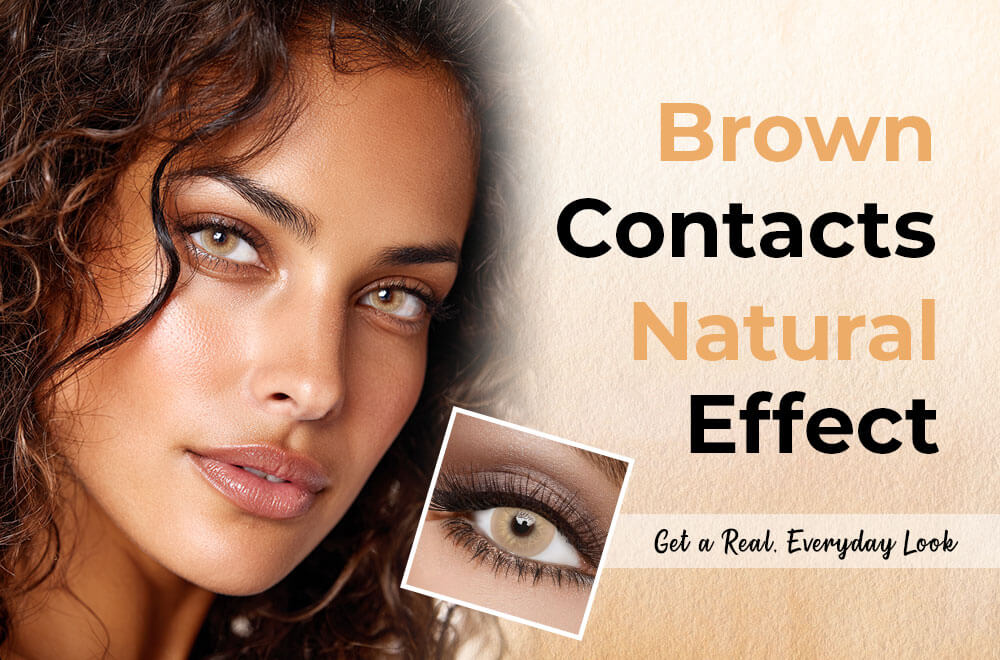
Brown contacts are one of the easiest ways to enhance your eyes without looking like you’re wearing lenses.
If you’re aiming for a natural effect, the goal isn’t to change your eye color completely. It’s to add warmth, depth, and definition—the kind of change people notice, but can’t quite explain.
This guide breaks down what makes brown contacts look natural, which shades work best, and how to avoid that flat or “printed” look.
Quick Answer: What Makes Brown Contacts Look Natural?
Natural-looking brown contacts usually have:
- soft, warm tones (not too dark or too orange)
- layered pigment instead of a single flat brown
- subtle blending around the pupil
- a soft outer edge (no harsh ring)
- a shade that enhances—not replaces—your natural eye color
If a brown lens looks too uniform or too dark, it often loses that natural effect.
Why Brown Contacts Look More Natural Than Other Colors
Compared to blue or green lenses, brown contacts tend to blend more easily with natural eye colors—especially for people with dark or medium eyes.
They work by:
- enhancing your existing iris tone
- adding soft contrast
- making the eyes look deeper and more defined
That’s why brown lenses are often recommended for:
- first-time wearers
- everyday styling
- subtle beauty looks
A well-designed brown lens doesn’t scream “new eye color.”
It simply makes your eyes look better.
Who Should Choose Natural Brown Contacts?
Dark Brown Eyes
Brown contacts won’t dramatically change your color—but they can add visible dimension.
Look for:
- lighter brown layers
- subtle highlights
- warm-toned blends
These help avoid the “no difference” effect.
Medium Brown or Hazel Eyes
This is where brown contacts shine.
They can:
- smooth uneven tones
- add warmth
- make the iris look more polished
Light Eyes
Brown contacts can create a soft, grounded look—especially if you want something less striking than blue or green.
What Shade of Brown Looks Most Natural?
Not all brown lenses look the same.
The undertone matters more than the color name.
Most natural brown shades
- warm brown
- honey brown
- chestnut brown
- hazel brown
- cocoa brown
Less natural options
- very dark opaque brown (looks flat)
- overly orange brown
- single-tone brown with no pattern
If the lens lacks depth, it won’t look real.
5 Signs a Brown Contact Lens Will Look Natural
1. It has layered tones
Natural eyes are never one flat color.
Good lenses mimic that.
2. The brown isn’t too dark
Too dark = no visible change
Too light = unnatural contrast
Balance is key.
3. The edges are soft
Harsh outer rings make lenses look obvious.
Soft blending creates realism.
4. The center blends smoothly
A sharp pupil hole breaks the illusion.
Smooth transitions matter.
5. It looks subtle in daylight
If it works in natural light, it works everywhere.
Brown Contacts Natural Effect for Daily Wear
Brown lenses are especially popular for everyday use because they:
- match most makeup styles
- work in different lighting conditions
- don’t feel “overdone”
This makes them ideal for:
- work or school
- casual looks
- minimal makeup days
- first-time lens wear
Many daily collections focus on this kind of natural effect—using soft browns, gentle gradients, and realistic iris patterns, similar to what you’ll see in everyday styles from brands like GleGlow.
How GleGlow Designs Natural Brown Contacts
One thing people often notice when comparing brown lenses is how different the finish can feel.
Some lenses look flat or too dark, while others add dimension without being obvious.
In natural-focused designs—like GleGlow Orren Brown or Verdant Origin Brown — the goal isn’t to overpower your eye color.
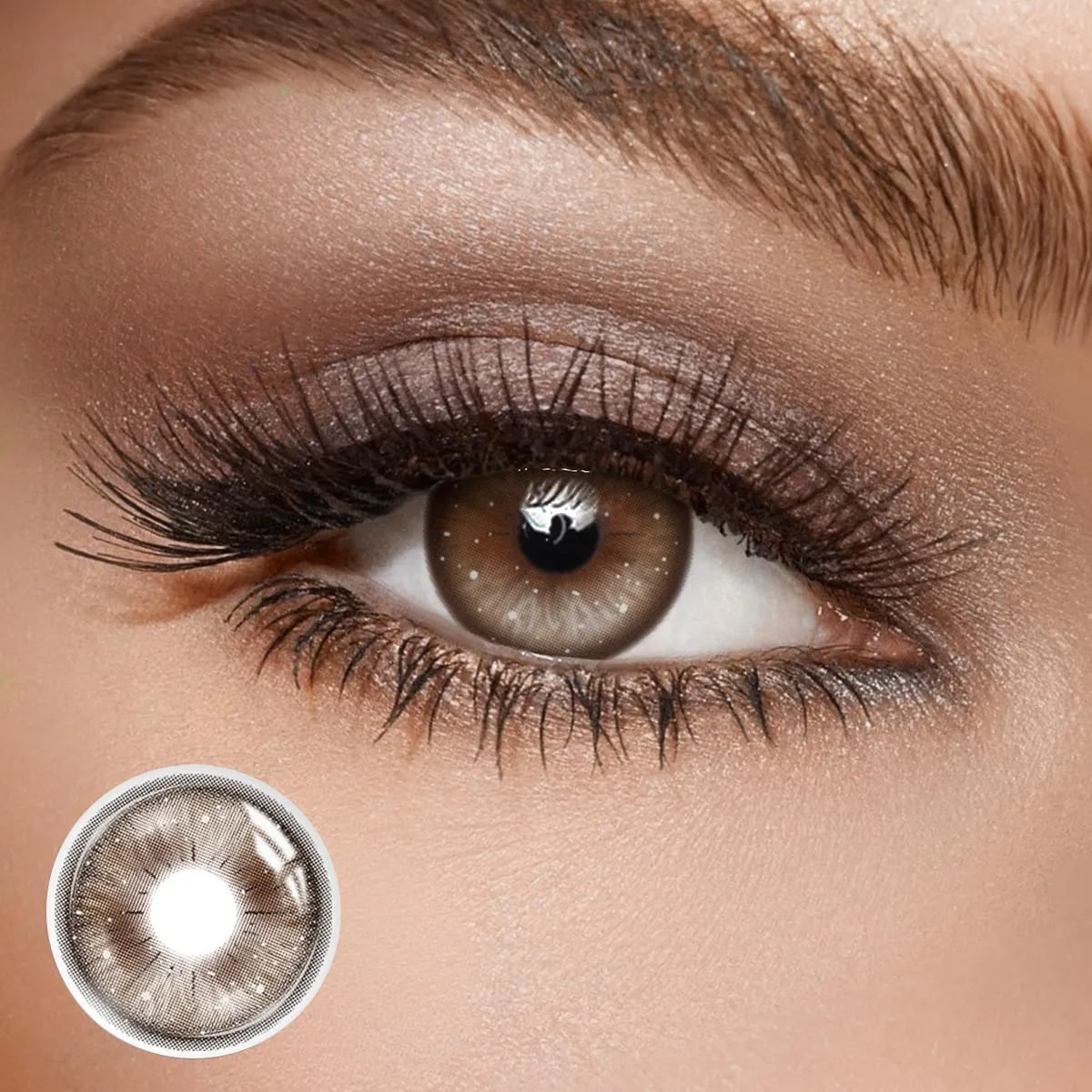
GleGlow Verdant Origin Brown - 1 Year, 2 lenses
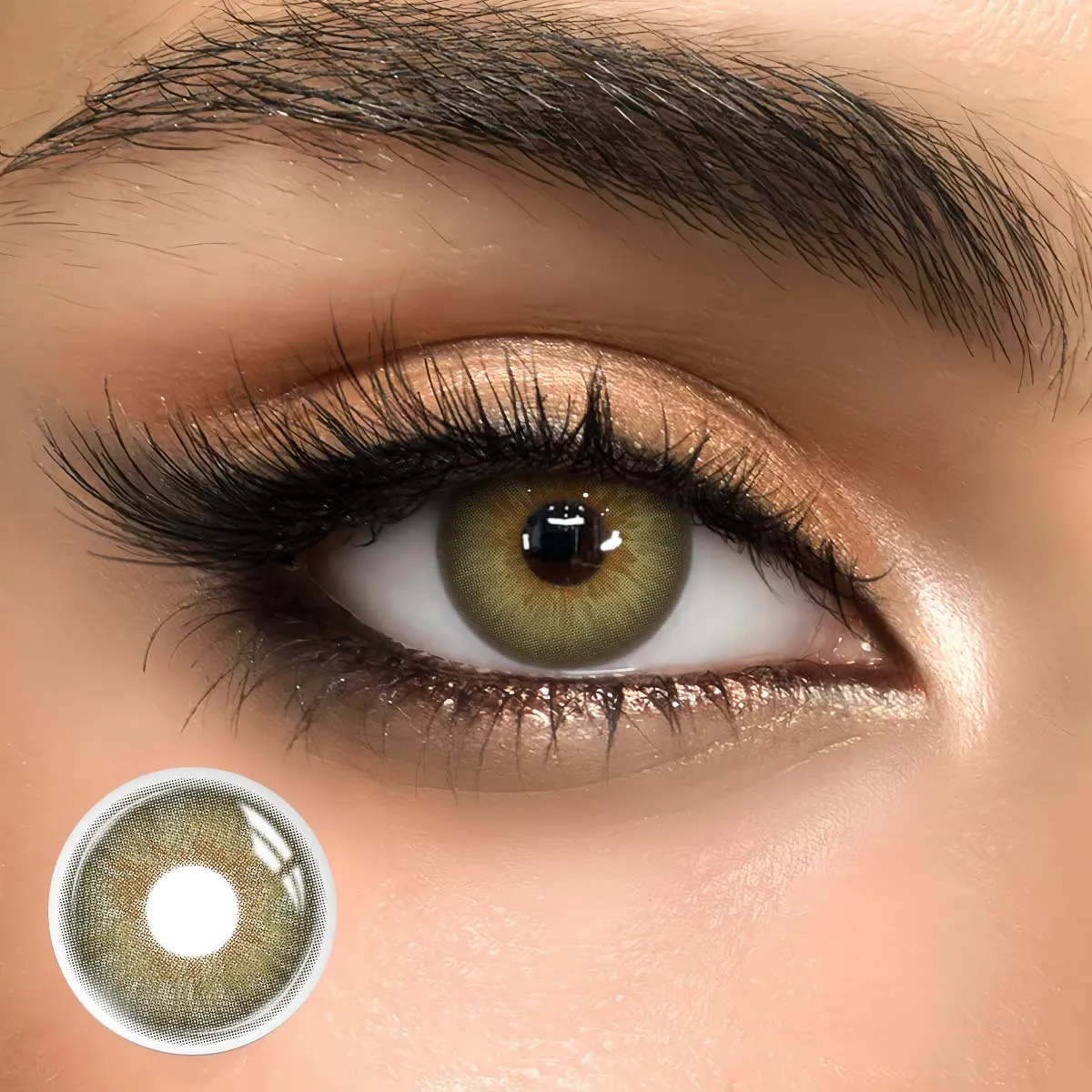
Instead, they tend to focus on:
- soft layering
- warm, wearable tones
- subtle brightness
- realistic iris texture
That’s what creates a natural effect rather than a dramatic color shift.
How to Choose the Right Brown Contacts for You
Choose warm brown if:
- you want a natural glow
- your skin tone is warm or neutral
Choose hazel brown if:
- you want a slightly brighter effect
- you want more visible change
Choose deep brown if:
- you want subtle enhancement only
- you prefer a barely-there look
Common Mistakes When Choosing Brown Contacts
People usually get unnatural results when they choose:
- a lens that is too dark (no effect)
- a flat, single-color brown
- a style with a thick outer ring
- a tone that clashes with their skin undertone
If you're unsure, it’s usually better to go slightly lighter and softer.
FAQ: Brown Contacts Natural Effect
Do brown contacts look natural on dark eyes?
Yes. Brown lenses enhance depth rather than change color completely, making them one of the most natural options for dark eyes.
What color contacts look most natural?
Brown, gray, and hazel lenses usually look the most natural because they blend better with real eye tones.
Are brown contacts good for beginners?
Yes. Brown contacts are often recommended for beginners because they are subtle, easy to match, and less likely to look artificial.
Can brown contacts make eyes look bigger?
Yes, especially if they include a soft outer ring or gradient that adds definition without being harsh.
What is the most natural shade of brown contacts?
Warm brown or honey brown tends to look the most natural because it adds depth without strong contrast.
Final Thoughts
Brown contacts don’t need to be dramatic to be effective.
The most natural brown lenses don’t try to change your eyes—they refine them.
They add warmth, depth, and a clean, polished look that still feels like you.
That’s what makes the “natural effect” work.