How to Choose Prescription Colored Contacts: A Doctor-Approved Guide
Nov 24,2025 | GleGlow
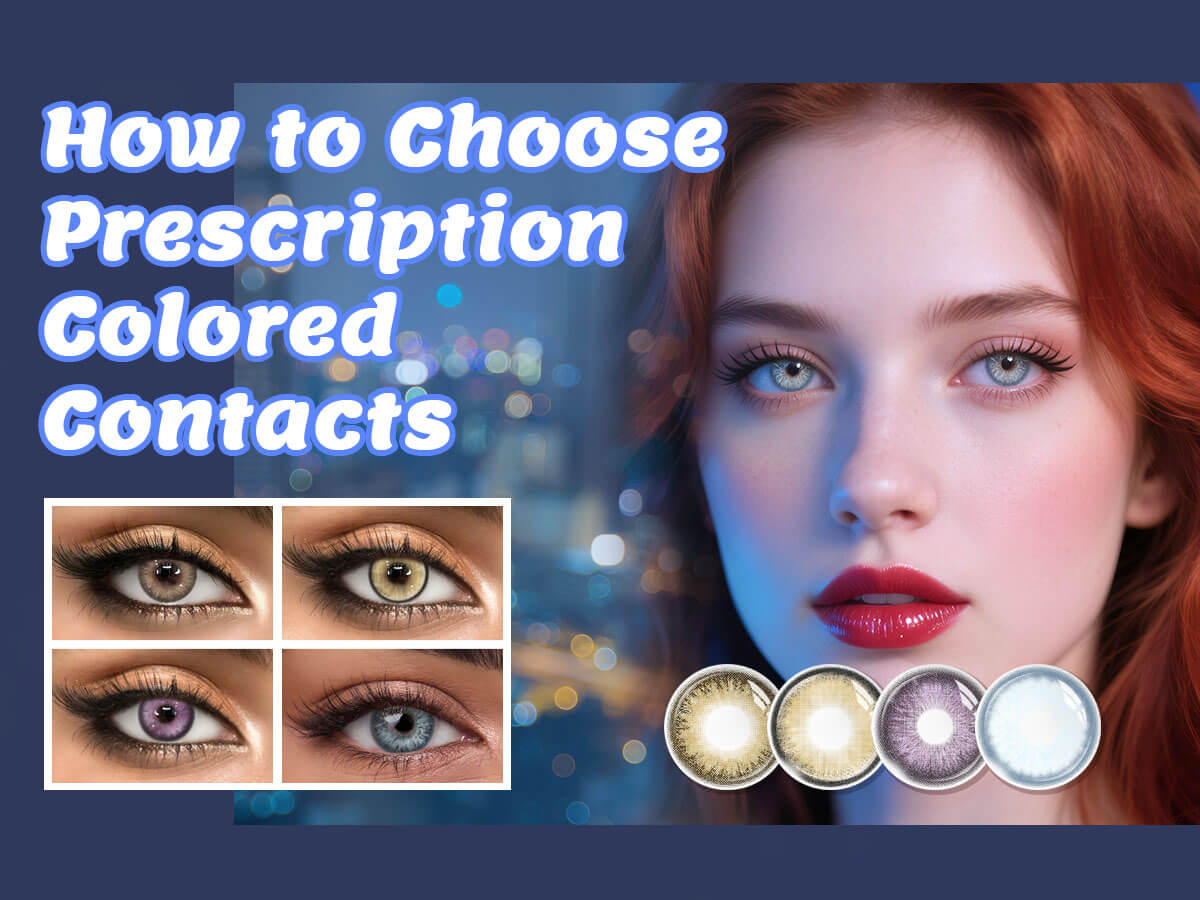
Here's something interesting - the FDA regulates colored prescription contacts as medical devices, just like regular contact lenses .
You'll need a prescription to buy colored contacts, even if you have perfect vision . This applies whether you want to totally change your eye color or just make your natural shade pop. These lenses come in different styles - from subtle enhancement tints that boost your natural eye color to opaque tints that give you a whole new look .
The right fit matters more than just looks. Poorly fitted lenses can hurt your eyes and cause problems like corneal scratches or infections . We've put together a complete guide to help you pick prescription colored contacts that look amazing and keep your eyes healthy.
This piece covers everything about prescription colored contacts - the different types you can choose from, and how to find the perfect match for your eyes and daily routine. Let's make your contact lens experience both safe and stylish!
Understanding Prescription Colored Contacts
Prescription colored contacts are special medical devices that help correct vision while letting you change your eye color. These unique lenses sit right on your eye and can fix your vision problems while giving you a whole new look.
What makes them different from regular lenses
The design sets prescription colored contacts apart from clear lenses. They mix vision correction with special tints that can either subtly boost or totally change your eye color. You can choose from three main types of tints:
- Enhancement tints that boost your natural eye color
- Opaque tints that completely change your eye color
- Visibility tints that have a light color to help you handle them better but don't change how your eyes look
These colored prescription lenses come in many forms, just like regular contacts. You can get daily disposables, monthly lenses, toric lenses that fix astigmatism, and multifocal options when you need help seeing both near and far.
Can you get colored prescription contacts without vision issues?
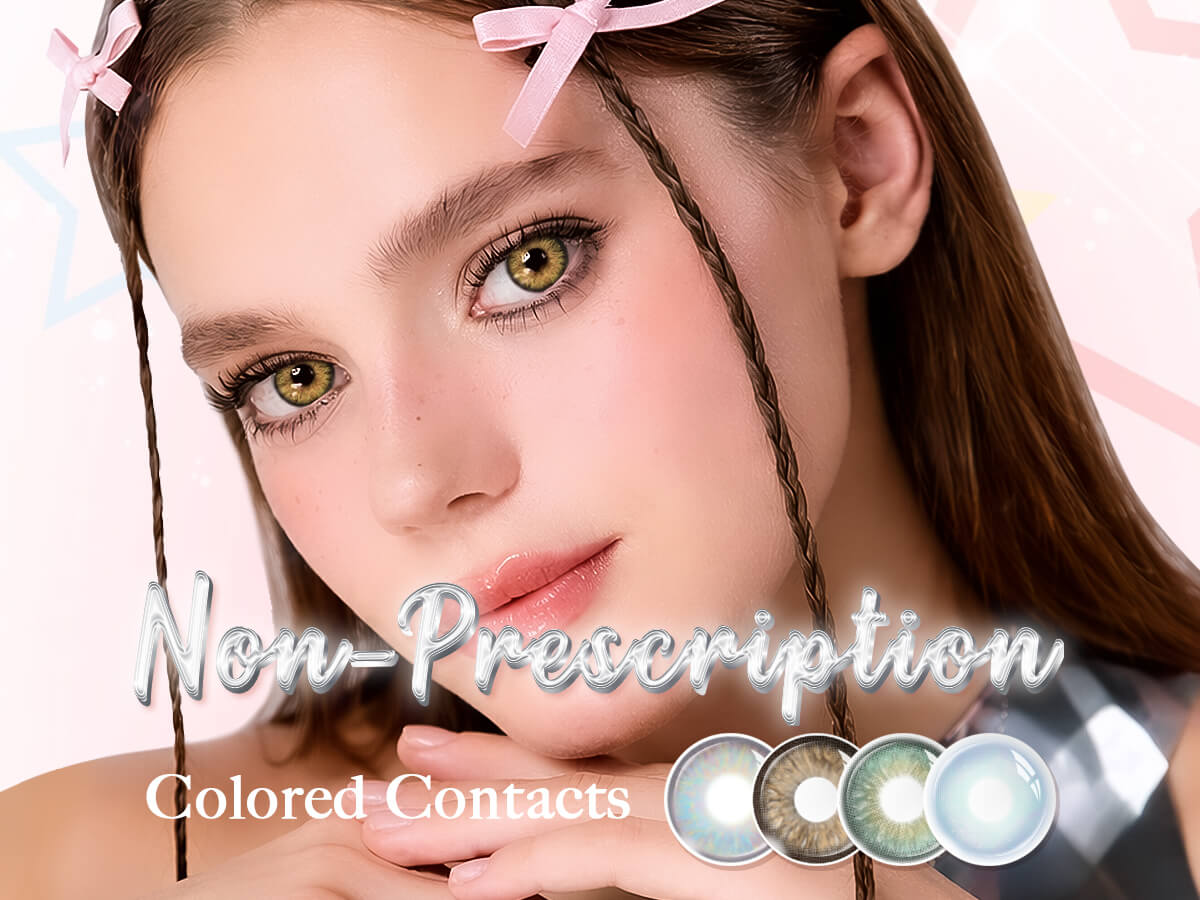
You sure can! Even with perfect 20/20 vision, you can still get non-corrective colored contacts (also called "plano" lenses) to change your eye color. These lenses won't affect your vision at all. They work great if you just want to try out different eye colors.
Even though these plano colored contacts don't correct vision, you still need a proper prescription and professional fitting from an eye doctor.
Why a prescription is always required
The FDA treats all contact lenses as medical devices - including colored ones. You legally need a prescription for all contacts, whether they fix your vision or just change your eye color. This rule exists to protect your eyes, not just as red tape.
Contacts that aren't properly fitted by an eye doctor might:
- Scratch your cornea (the clear covering of your eye)
- Cause corneal infections or ulcers
- Lead to conjunctivitis (pink eye)
- Result in decreased vision or even blindness
Bacterial infections from poorly fitted lenses can spread faster than you'd think - sometimes causing blindness within 24 hours without treatment. That's why you should never buy colored contacts from costume shops or beauty stores, no matter how good their prices look.
Types of Colored Contacts and Tints
Colored prescription contacts come in different designs and tints that create unique effects for your eyes. You can make better choices that match your vision needs and style by knowing these differences.
Enhancement vs opaque vs visibility tints
Three main tint categories serve different purposes in colored contacts:
- Enhancement tints blend with your natural eye color through translucent design. People with lighter eyes (blues, greens, light hazel, or grays) get the best results. The lens tint mixes with your eye's natural color.
- Opaque tints create a completely new eye color whatever your natural shade. Dark-eyed people or those wanting dramatic changes find these ideal. Natural-looking new colors emerge from colored patterns laid over your iris.
- Visibility tints add just enough pale color to help you handle the lens. Light blue or green shades make putting in and taking out your contacts easier without changing your eye color.
Best colored contacts prescription for dark eyes
Dark eyes need opaque tinted lenses because they can mask your natural color effectively. Here's what you should look for in colored contacts for dark irises:
- Lenses with opaque or semi-opaque designs pack more colored pixels to cover dark irises completely.
- Smaller optical zones let color extend closer to the center without affecting your vision.
- Gray lenses work great with all skin tones and add instant appeal.
- Blue and green lenses designed for dark eyes create stunning transformations.
Colored contacts for astigmatism: what to know
People with astigmatism can still wear colored contacts. Toric colored lenses correct this vision condition with special features:
- Custom-made lenses match your prescription but take longer to manufacture - up to 12 weeks for some brands.
- Color options exist but choices are fewer than regular colored contacts.
- Toric colored contacts cost more than standard ones and offer limited color selection.
- Standard colored contacts might work for mild astigmatism cases, giving you more color and brand choices.
How to Choose the Right Pair for You
Your perfect pair of colored prescription contacts goes beyond picking a favorite shade. The right personalization will give a great look and keep your eyes comfortable.
Match with your natural eye color
The way colored contacts blend with your natural eye color makes all the difference. Light-colored eyes need enough enhancement tints to bring out existing shades. Dark eyes work better with opaque tints that cover your natural color completely.
Think over your skin tone and hair color
Your skin's undertone plays a big role in how colored contacts look on you. You can find your undertone through:
- The jewelry test: Silver looks best with cool undertones, while gold matches warm undertones
- Vein color check: Blue veins mean cool undertones, and greenish veins point to warm undertones
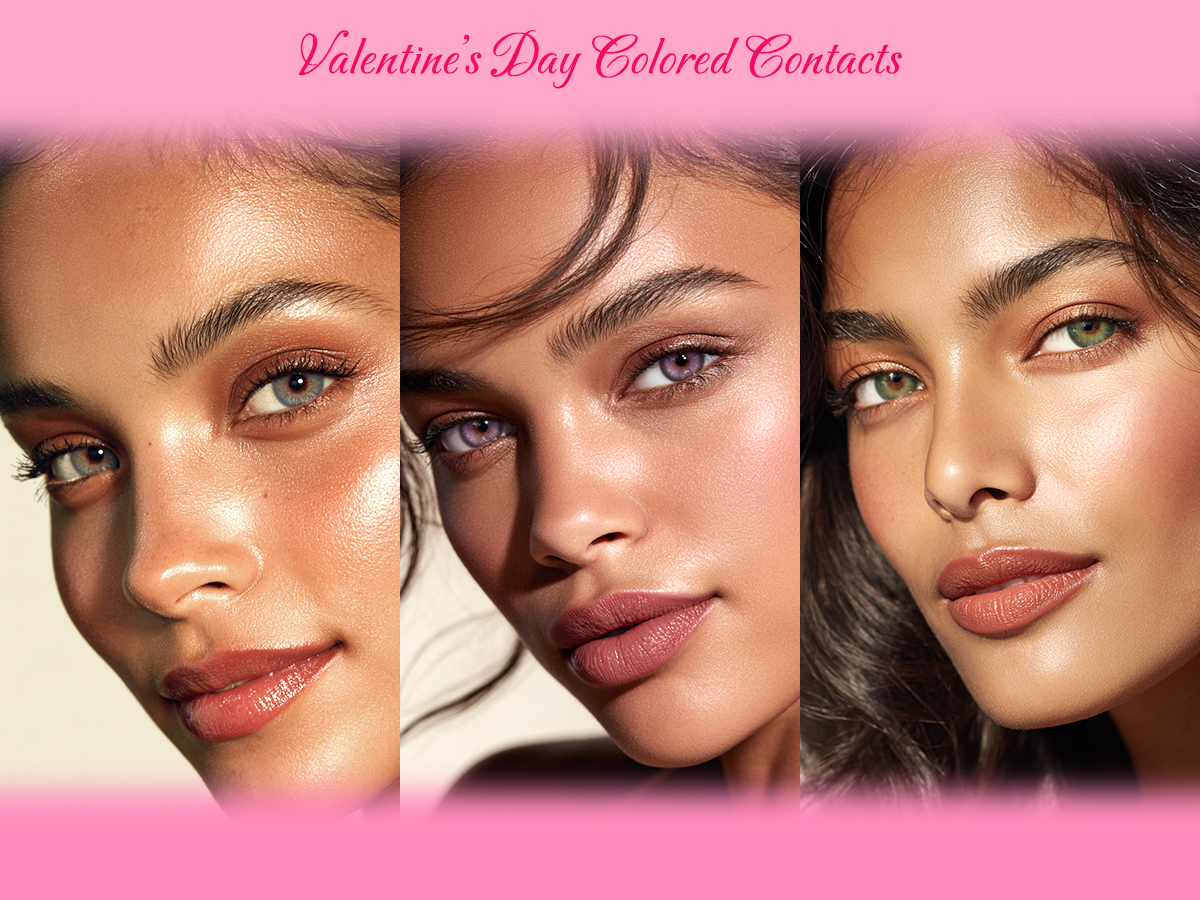
Honey, amber or hazel lenses look amazing with warm skin tones. Blues, grays, or violets create striking looks if you have cool tones.Your hair color adds another dimension—green contacts look stunning with red hair, while hazel can boost brown hair's natural beauty.
Think about daily use vs special occasions
Daily disposables are perfect when you need convenience and cleanliness for occasional wear or travel. Monthly lenses give you an economical solution if you wear them regularly and don't mind the cleaning routine.
How to get colored contacts prescription from your doctor
Let your doctor know you want colored contacts when booking an eye exam. You need this exam even with perfect vision.The doctor will check your eye health, make sure the lenses fit right, and write a prescription with all the needed specifications.
Safety, Fit, and Maintenance Tips
Your colored prescription contacts need proper care to keep your eyes healthy. You can protect your eyes and enjoy your new look by doing this.
Why FDA approval matters
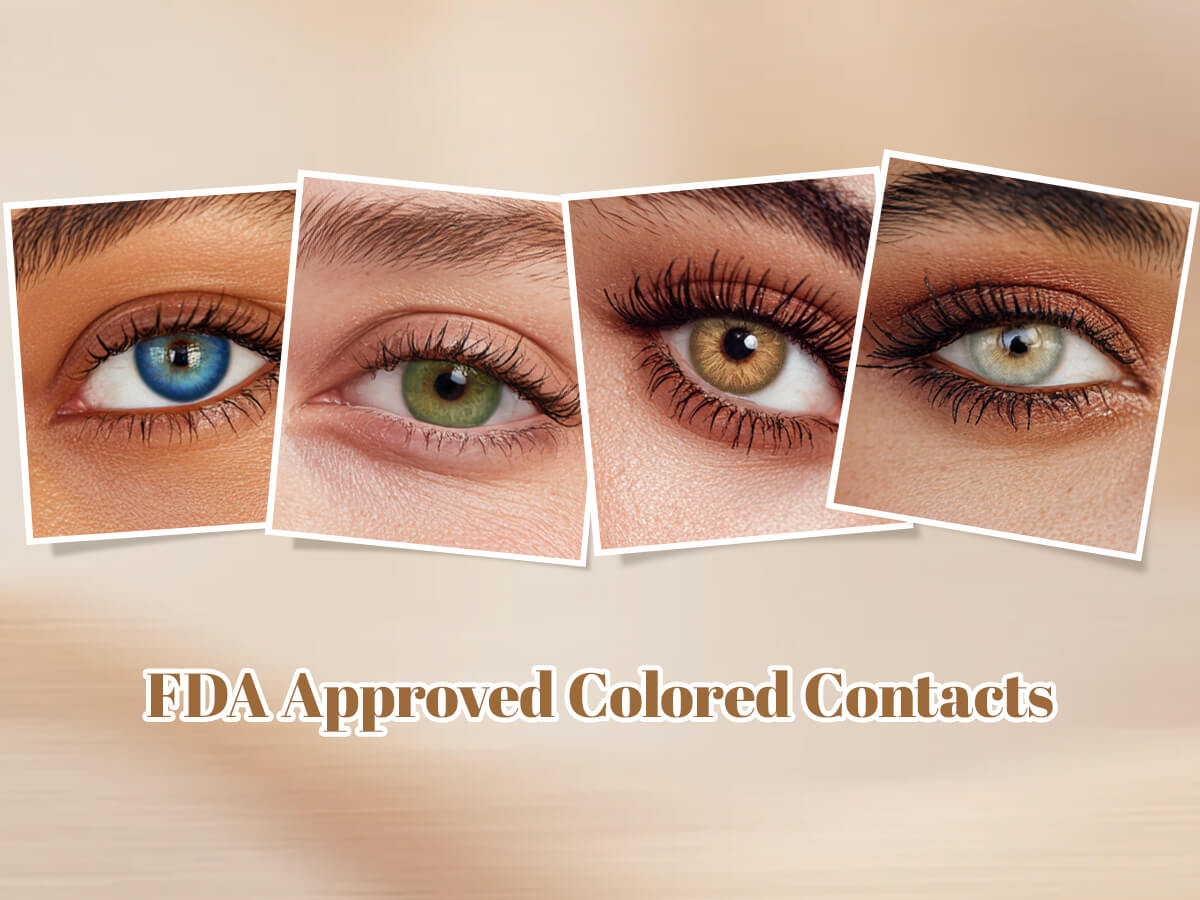
Your colored contacts must have FDA approval to guarantee their safety and effectiveness as medical devices .Using unapproved lenses can damage your eyes with corneal scratches, infections, vision loss, or even blindness.Make sure your lenses are FDA-cleared before you buy them.
How to clean and store your lenses
Here's how to take care of your colored contacts:
- Clean your hands really well with soap before touching lenses
- Rub your lenses gently with recommended solution for about 20 seconds
- Never clean lenses with tap water or saliva
- Use a clean case with fresh solution and never reuse old solution
- Get a new lens case every three months
Avoiding common mistakes with colored lenses
You should never sleep wearing colored contacts unless they're approved for extended wear. It also helps to put on makeup before inserting lenses. Never share lenses with others or wear them longer than recommended. Take them out right away if your eyes become red, painful, or your vision changes.
Where to buy colored contacts prescription online safely
You should only buy colored contacts from online retailers that need a valid prescription. Good vendors will check your prescription with your doctor. Stay away from websites that sell without prescription verification - they're breaking the law. You can trust FDA-approved online stores, licensed optical shops, or your eye doctor's office.
Conclusion
The perfect prescription colored contacts blend both safety and style. These FDA-regulated medical devices touch your eyes directly, so proper fitting and prescription are vital. Your eye doctor will help find your perfect match, whether you need opaque lenses for dark eyes or enhancement tints for light ones.
Safety should be your main focus when getting colored contacts. Buy lenses only from authorized retailers who check prescriptions, and stick to proper cleaning routines to avoid serious infections. Even non-corrective colored lenses need professional fitting and a prescription.
Your natural features will shape which colored contacts look best on you. Different shades should match your skin tone, hair color, and natural eye color before you make your choice. Daily disposables are great for occasional use, while monthly lenses give better value if you wear them often.
This piece should help you feel confident about prescription colored contacts. Never risk your health by buying from unauthorized sources or skipping eye exams. The right colored contacts can boost your appearance while keeping your vision safe. Your eyes deserve the best possible care!
Commento