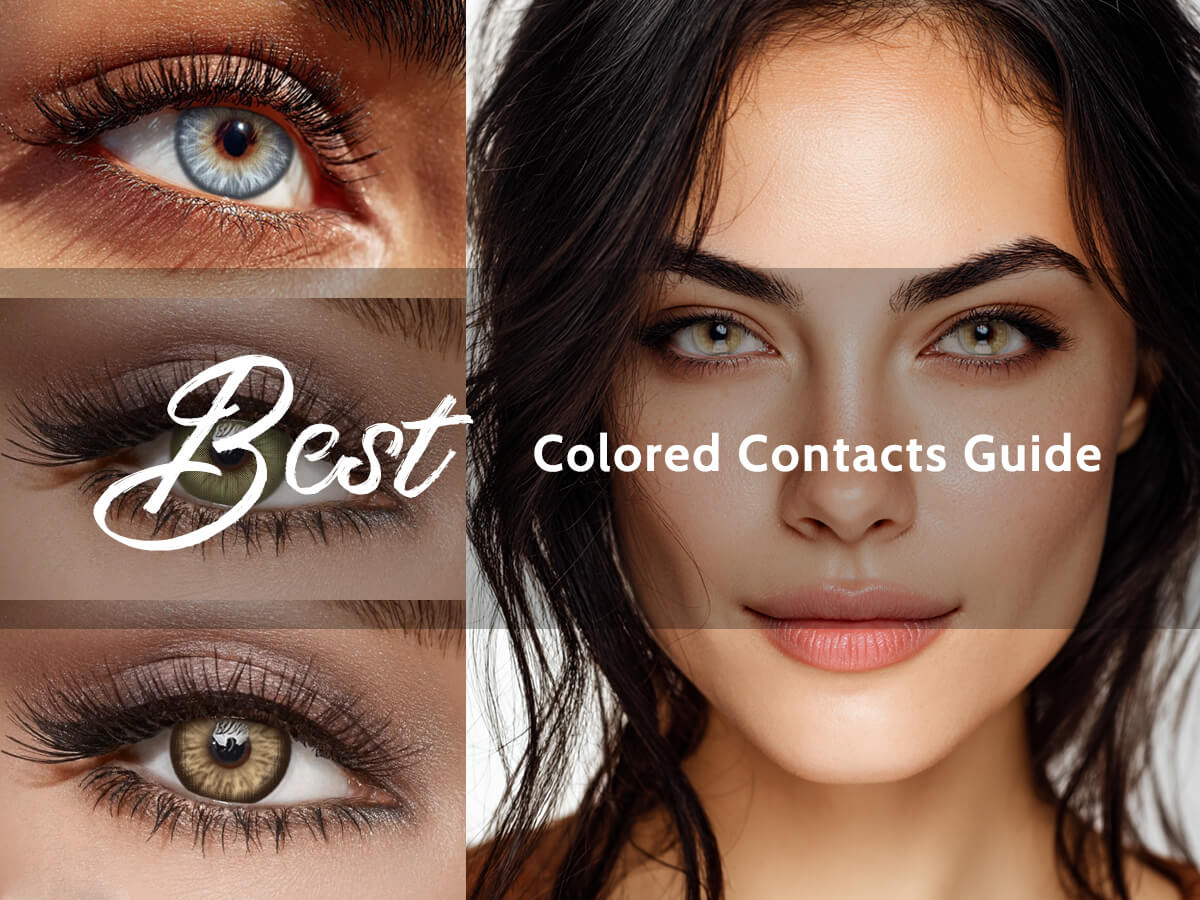
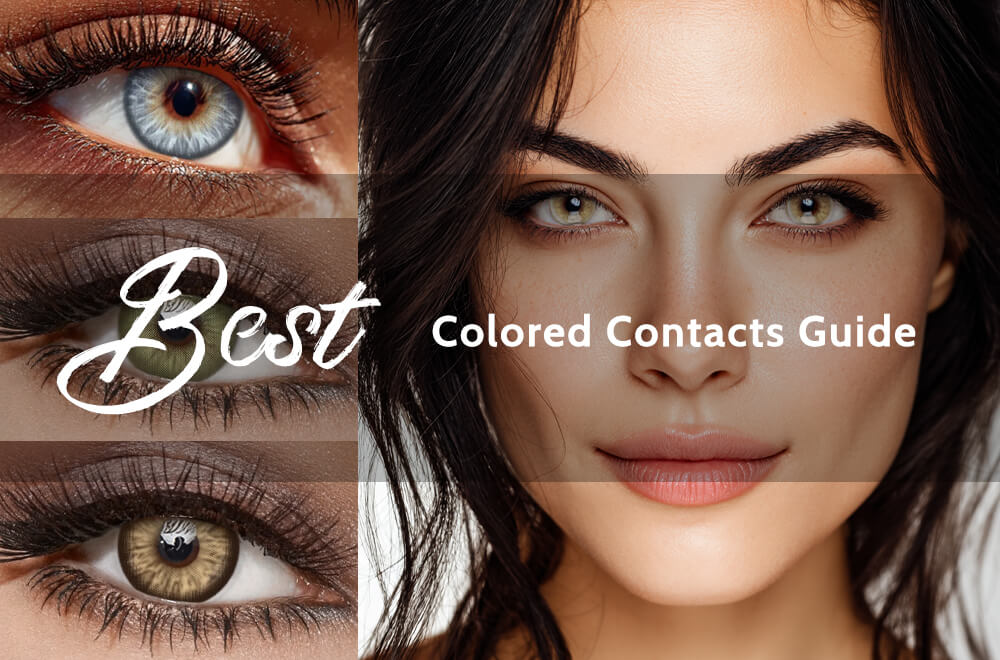
Choosing colored contacts isn’t just about picking your favorite color.
The right lens depends on how it interacts with your natural eye tone, lighting, and how noticeable you want the change to be.
Some colors create a subtle enhancement, while others completely transform your look.
Choose a Color Direction, Then Compare Two Products
Start with how much change you want from your original iris. Color families are comparison directions, not rankings of safety, naturalness or comfort.
| Direction | Question to answer | Compare before shopping |
|---|---|---|
| Brown | Do you want to retain a brown-eye look with a different outline or tone? | Brown-eye product comparison |
| Hazel | Do you prefer the photographed brown, gold and green mix to your brown candidate? | Three hazel options |
| Grey | How much cool-toned contrast do you want in a full-face view? | Three grey options |
| Green | Do you want a smaller change or clearly visible green? | Green effect and product guide |
| Blue | Is the amount of blue visible on a similar starting iris the change you want? | Blue comparison for dark brown eyes |
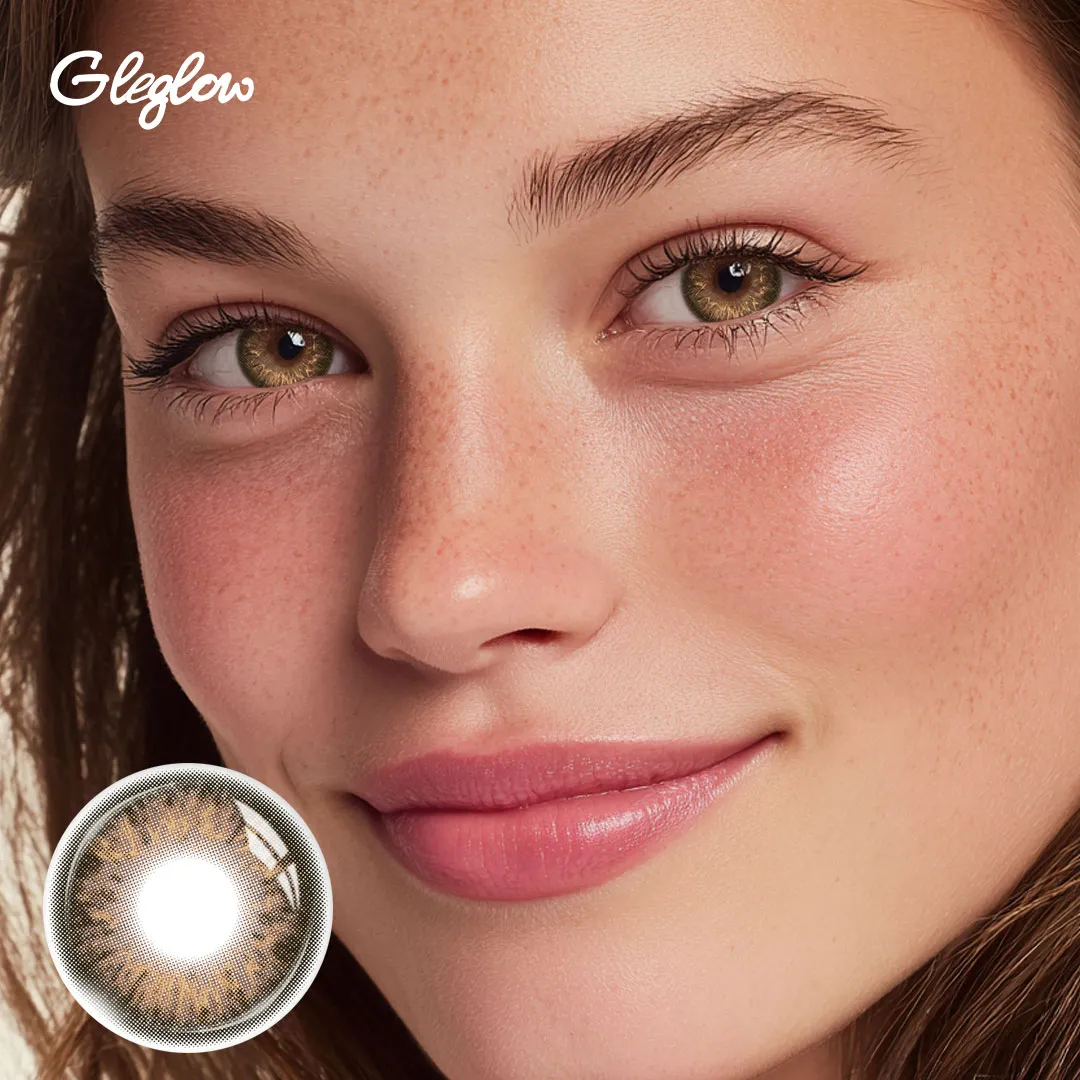
For an initial warm-versus-cool comparison, open Dioren Brown and Ivy Grey. These are visual candidates, not prescription recommendations. Product photos may differ in model, original iris, lighting, makeup, crop or editing; they are not controlled trials or evidence of fit.
Quick Answer: What Are the Best Colored Contacts?
The best colored contacts are those that:
- match your natural eye depth
- use layered, realistic pigment
- avoid overly bright or flat tones
- blend smoothly with your iris
For most people, natural-looking lenses work better than dramatic ones.
Which Color Looks Most Natural?
Brown Contacts
- compare the specific result with your original brown iris
- enhance rather than replace your eye color
- ideal for everyday wear
→ Read: Best Brown Colored Contacts
Grey Contacts
- brighten the eyes
- look more refined than blue
- great balance between visible and natural
→ Read: Best Grey Colored Contacts

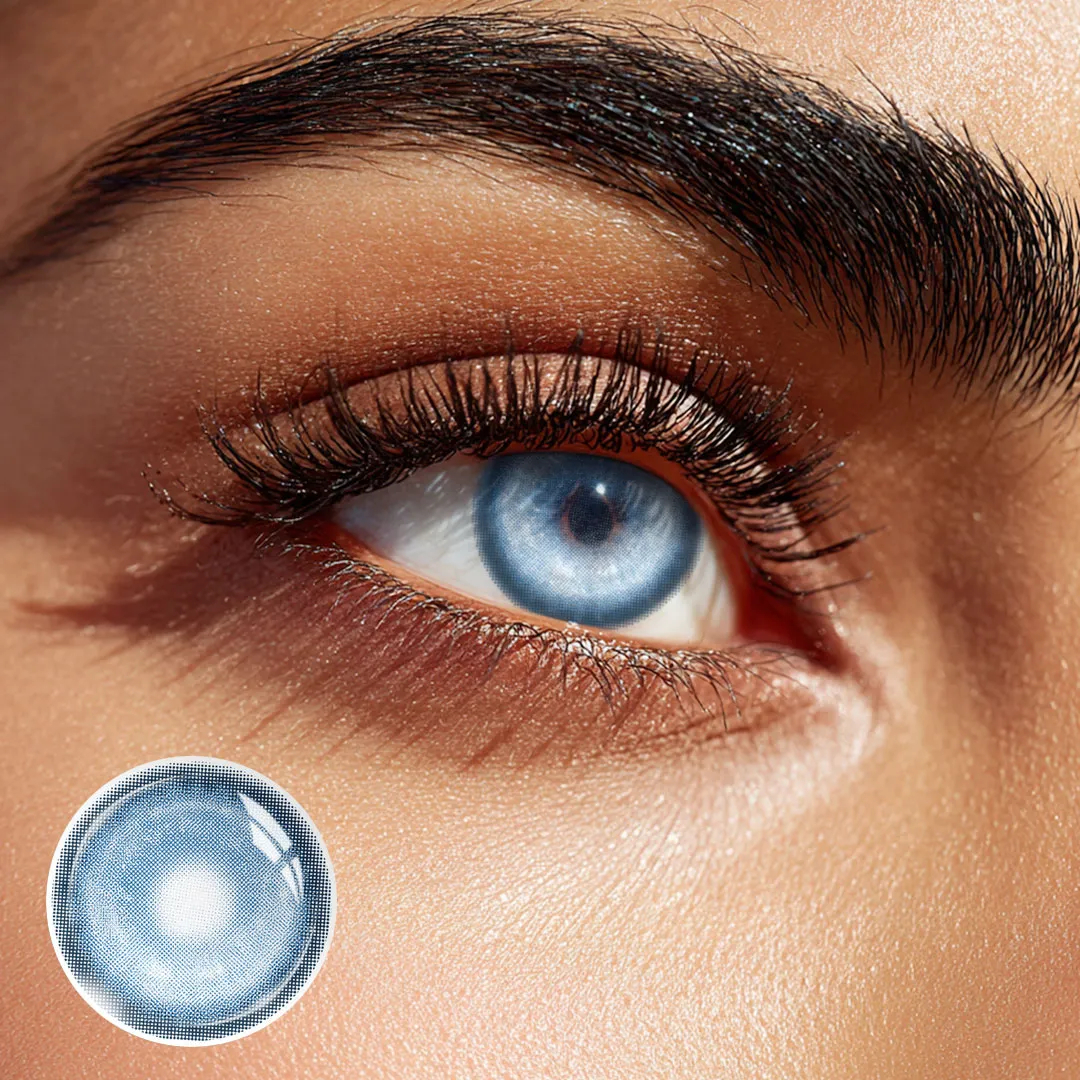
Blue Contacts
- more noticeable change
- can look unnatural if too bright
- best when slightly muted
→ Read: Best Blue Colored Contacts
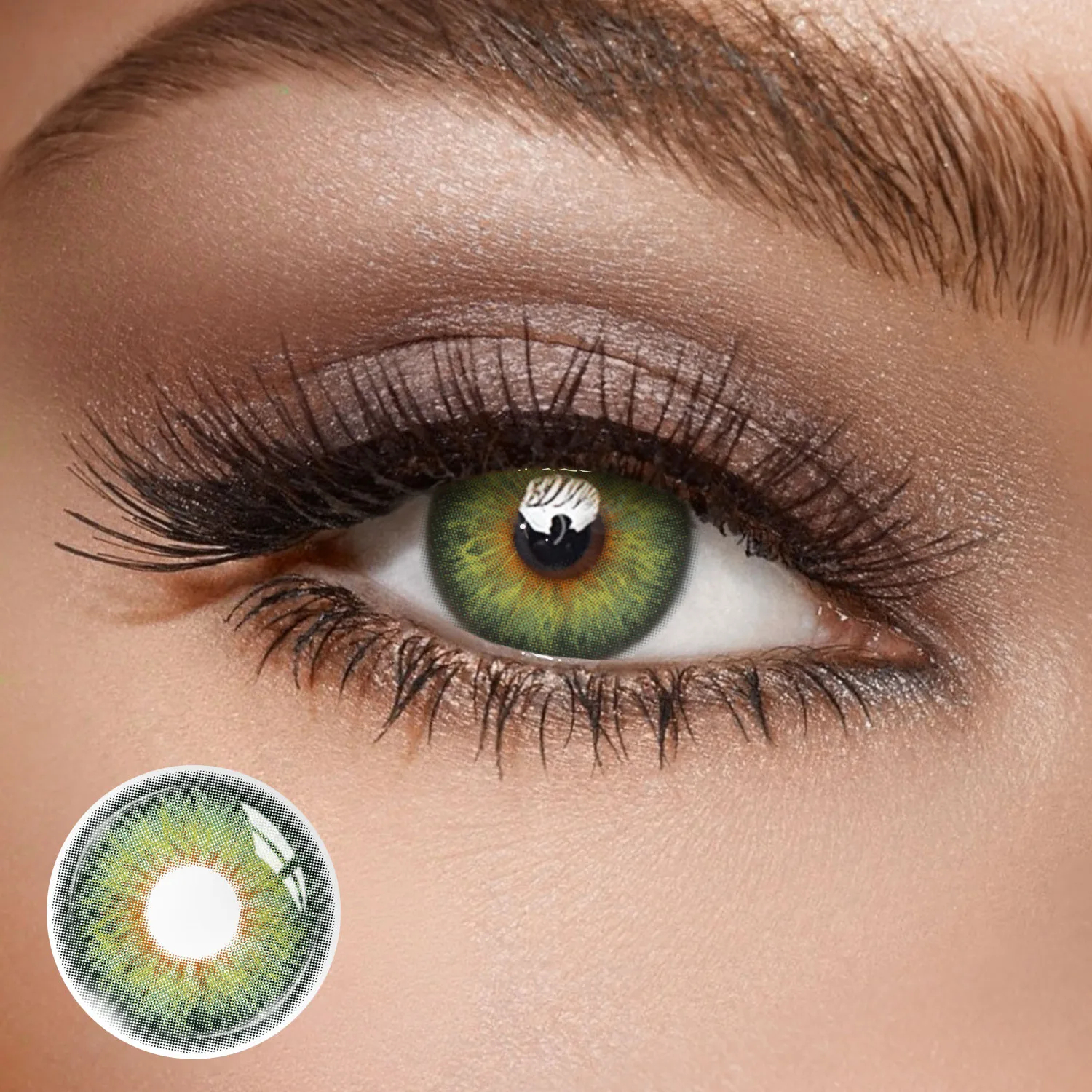
Green Contacts
- unique and eye-catching
- works best with olive or soft tones
- avoid neon greens
→ Read: Best Green Colored Contacts
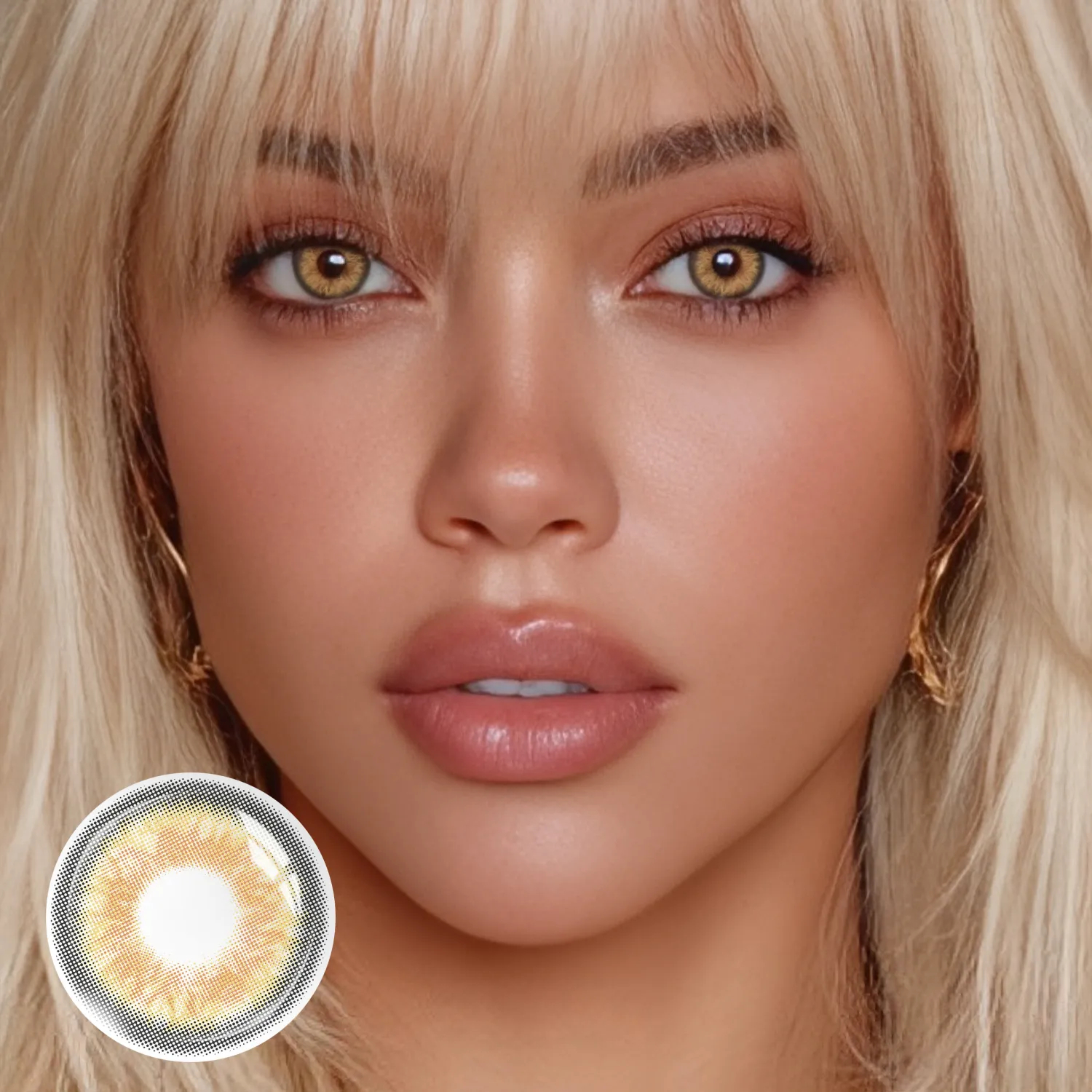
Hazel Contacts
- mix of brown and green
- very adaptable
- one of the most wearable shades
→ Read: Best Hazel Colored Contacts
Best Colored Contacts for Dark Eyes
If you have dark brown eyes, you’ll need:
- higher opacity
- layered pigment
- slightly brighter tones
Grey, hazel, and warm brown usually perform best.
Natural vs Dramatic Look
- Natural look → soft brown, grey, hazel
- More noticeable → blue, green
Most daily wear users prefer a subtle shift rather than a full transformation.
How GleGlow Designs Natural Colors
In many modern collections, including GleGlow, natural styles focus on:
- soft blending
- multi-tone layering
- wearable shades
This helps lenses look more like a natural eye variation rather than a printed effect.
Final Thought
The best colored contacts are not the brightest ones—they’re the ones that fit your eyes naturally.
After Choosing a Direction: Check Before Cart
- Confirm a current contact-lens prescription and professional fitting for the exact lens. In the United States, this includes zero-power cosmetic lenses.
- Check current Power for each eye, specifications, replacement label and pack configuration. Two lenses means two individual lenses, not two pairs.
- Read customer reviews and prescription verification. Compare routines in the daily vs yearly guide.
- Review product, Power and quantity in your cart. Do not substitute a glasses prescription or change prescribed brand or fit measurements for a color effect.
For more suitable visual starting points on deep brown eyes, browse Natural Contacts for Dark Brown Eyes. Explore All Colored Contacts once you have narrowed your direction.