
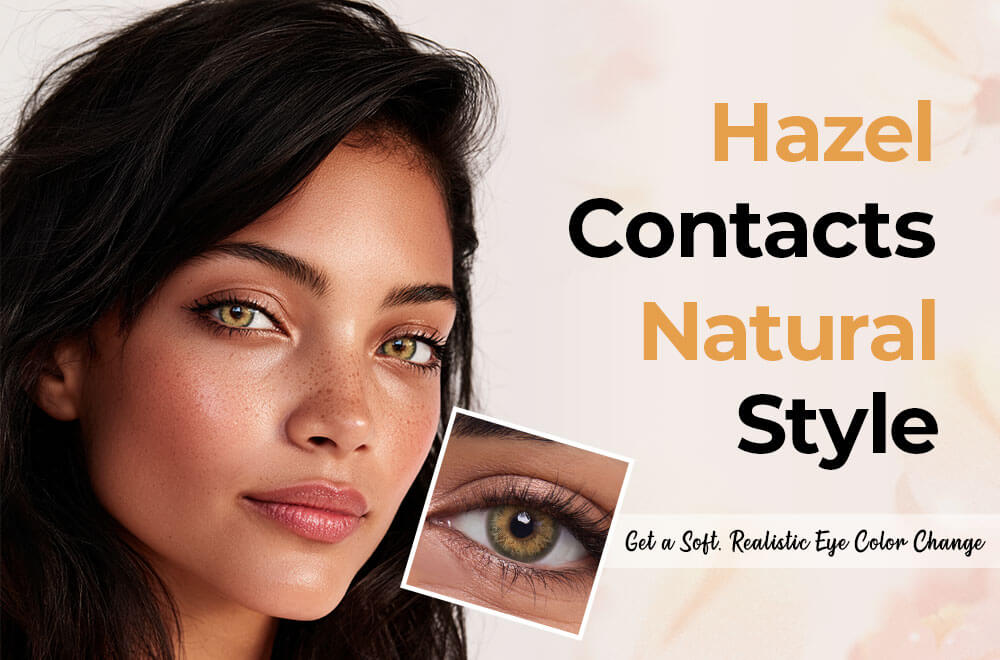
Hazel colored contacts are often described as the “in-between” shade—somewhere between brown, green, and gold.
That’s exactly what makes them one of the most natural-looking options.
If you’re trying to enhance your eyes without a dramatic color shift, hazel contacts are usually one of the safest and most flattering choices.
Quick Answer: Do Hazel Contacts Look Natural?
Yes—hazel contacts are among the most natural-looking colored lenses because they:
- blend warm brown and subtle green tones
- mimic real iris variation
- soften contrast instead of creating it
- work well across different eye colors
The most natural hazel lenses use layered pigments and soft transitions, rather than a single flat color.
Why Hazel Contacts Look More Real Than Other Colors
Unlike blue or gray lenses, hazel doesn’t rely on strong contrast to be visible.
Instead, it works by:
- adding warmth
- introducing subtle color variation
- enhancing depth within the iris
That’s why hazel often looks more believable in everyday lighting, especially on medium to dark eyes.
Who Should Try Hazel Colored Contacts?
Dark Brown Eyes
Hazel contacts can add visible dimension without looking artificial.
Look for styles with:
- warm undertones
- light golden highlights
- soft blending
These help the color show up without appearing too bold.
Medium Brown / Hazel Eyes
Hazel lenses enhance what’s already there.
They can make your eyes look:
- brighter
- more layered
- more reflective in light
Light Eyes
Hazel can create a warmer, softer look compared to cool tones like gray or blue.
What Makes Hazel Contacts Look Natural?
1. Multi-tone color design
Real hazel eyes are never one color.
They shift between brown, green, and gold depending on lighting.
2. Warm undertones
Natural hazel leans slightly warm, not neon green.
3. Soft outer edges
A harsh ring breaks realism.
Blended edges make the lens disappear into your eye.
4. Balanced brightness
Too bright → fake
Too dark → invisible
The best hazel lenses sit in between.
Best Hazel Shades for a Natural Look
- honey hazel
- golden hazel
- olive hazel
- brown-hazel blend
- soft green-hazel
These shades are easier to wear daily and adapt well to different lighting.
Hazel Contacts for Everyday Wear
Hazel lenses are especially popular for daily use because they:
- match most makeup styles
- don’t overpower your natural features
- look good in both indoor and outdoor lighting
They’re a good middle ground if:
- brown feels too subtle
- green feels too bold
How GleGlow Approaches Natural Hazel Lenses
When browsing hazel colored contacts, you’ll notice that some lenses lean too green or too yellow, which can make them look less natural.
In softer designs—like the kind seen in natural-focused collections such as GleGlow Mystic Hues Brown or other hazel-toned blends—the color is usually more balanced.
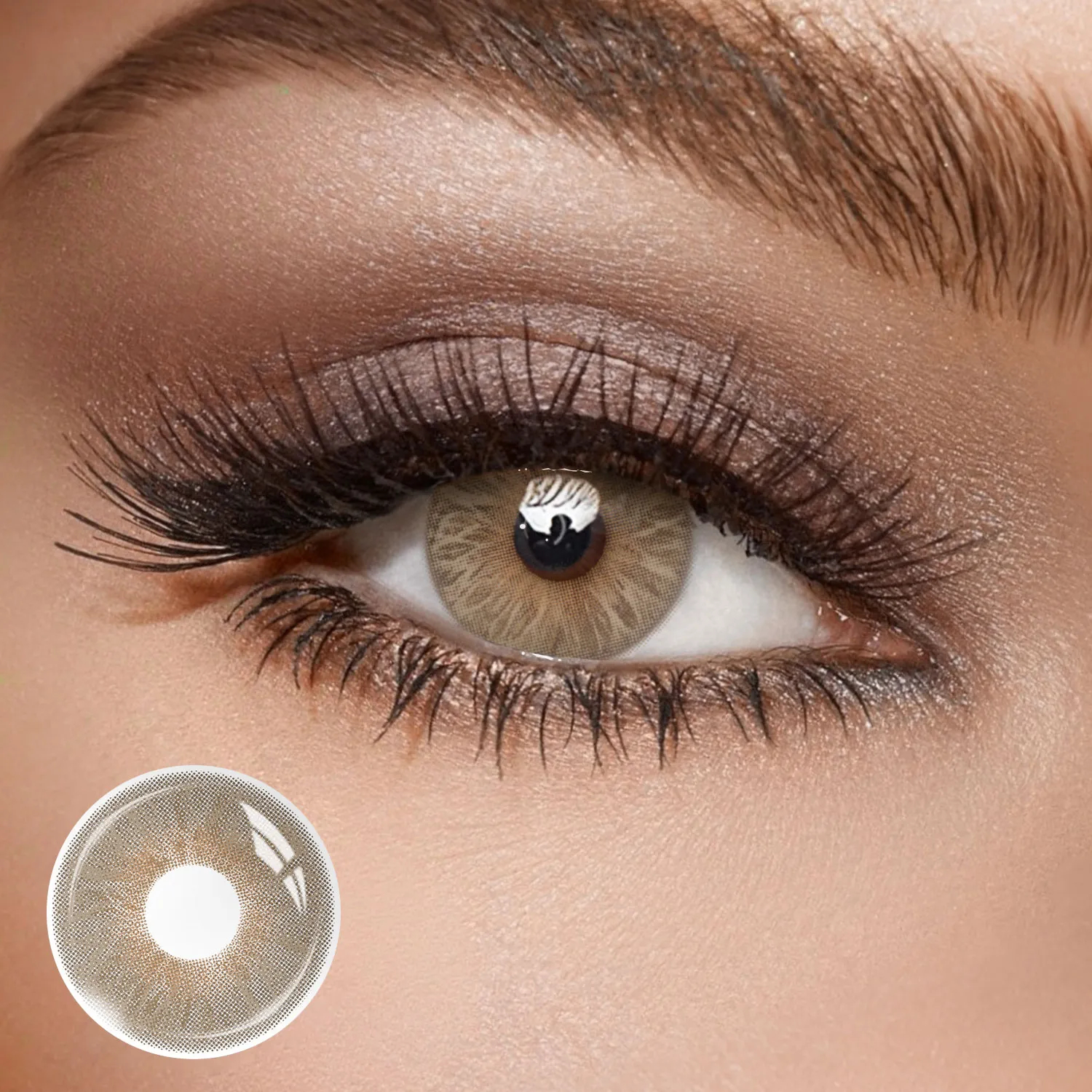
Instead of pushing one tone too strongly, these styles tend to focus on:
- layered brown + green pigments
- subtle golden highlights
- soft transitions between tones
This kind of design helps the lens look more like a natural eye color shift rather than a printed effect.
How to Choose the Right Hazel Contacts
Choose honey hazel if:
- you want warmth and brightness
- you prefer a soft glow
Choose olive hazel if:
- you want a cooler, more natural green tone
- you want subtle depth
Choose brown-hazel if:
- you want the most realistic result
- you’re new to colored contacts
Common Mistakes When Buying Hazel Contacts
- choosing overly green lenses (too artificial)
- picking flat, single-tone designs
- ignoring undertone compatibility
- choosing high-contrast edges
If you want natural results, hazel should feel blended—not bold.
FAQ: Hazel Contacts Natural Style
Do hazel contacts look natural on dark eyes?
Yes. Hazel works well on dark eyes because it adds dimension rather than replacing the original color.
What is the most natural hazel contact color?
Honey hazel and brown-hazel blends tend to look the most natural.
Are hazel contacts better than green contacts?
For everyday wear, many people find hazel more natural because it blends better with real eye tones.
Are hazel contacts good for beginners?
Yes. They offer visible change without looking too dramatic, making them beginner-friendly.
Do hazel contacts work with all skin tones?
Yes. Because hazel contains both warm and neutral tones, it adapts well to most complexions.
Final Thoughts
Hazel contacts don’t try to completely change your eye color.
They enhance what’s already there.
That’s why they often feel more natural, more wearable, and easier to style than many other colored lenses.
If your goal is a subtle, everyday upgrade—hazel is one of the safest choices you can make.