
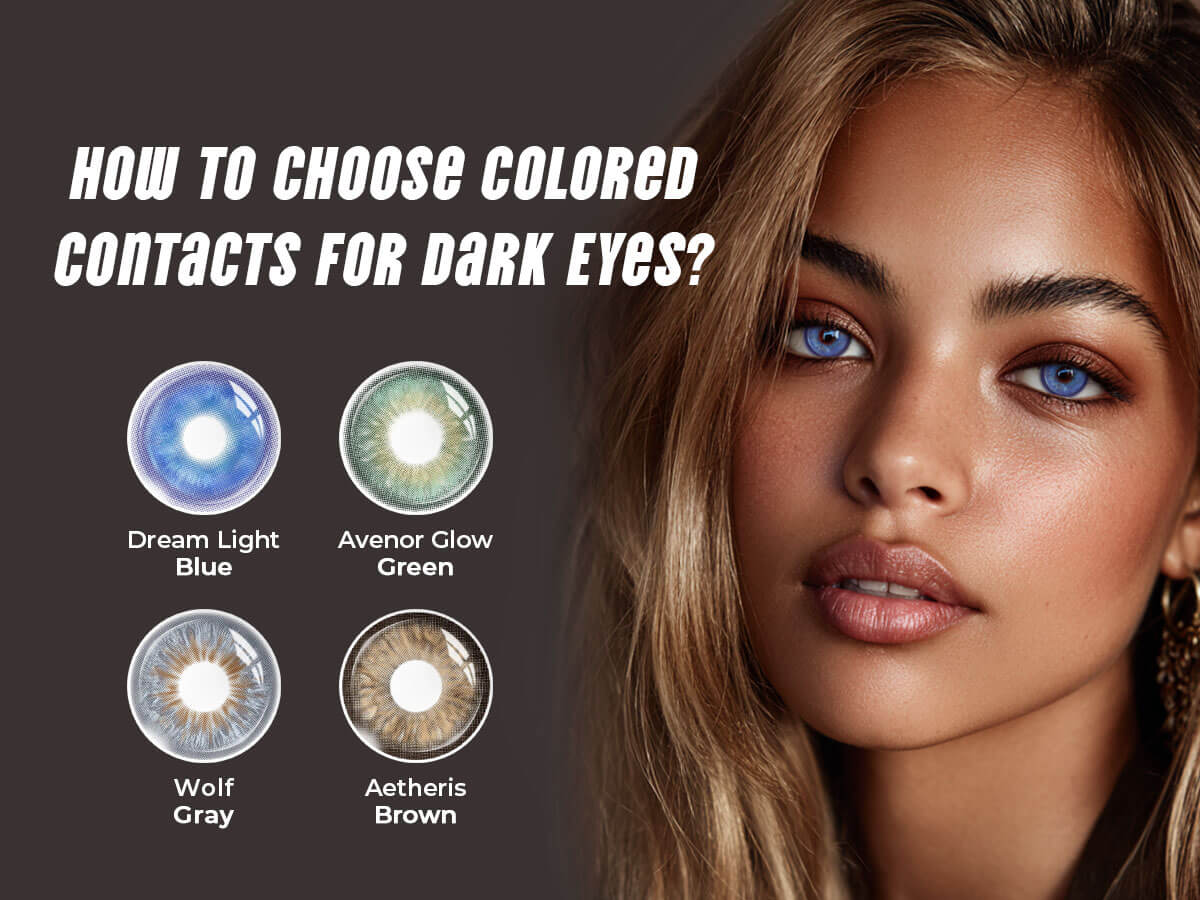
Dark eyes contain more melanin than lighter ones, creating a tough barrier that regular colored contacts can't penetrate. This extra pigmentation makes it hard for many people to find lenses that can truly change their eye color.
People with natural dark brown eyes have an advantage - colors appear vivid and create amazing changes with the right colored contacts for dark eyes. The key to natural-looking results lies in choosing specific lens types. Opaque or semi-opaque lenses deliver the best results for dark eyes, especially those with high pigmentation that can create noticeable color changes.
The sort of thing I love to share is how to pick the most natural colored contacts for dark eyes. This piece will help you find the perfect match, whether you want subtle changes or bold new looks. You'll learn how melanin affects visibility and how to match colors to your skin tone. We'll cover all the essentials about finding comfortable, striking contacts that look natural with your dark eyes.
How Colored Contacts Work on Dark Eyes
Dark brown or black irises need special features in colored contact lenses. Learning about how these lenses work will help you pick options that look natural.
Why melanin affects lens visibility
Your dark eyes create a unique challenge because of simple pigmentation science. Dark eyes have more melanin, which gives them their color. This heavy pigmentation can make lighter or semi-transparent contact lenses disappear when you put them on.
Picture this - you need thick, opaque paint to make colors pop on a dark canvas rather than a white one. Your eyes work the same way. People with dark eyes need specially designed lenses to change their eye color noticeably because of melanin concentration.
The shade of your brown eyes also changes how colored contacts look. You'll need more heavily pigmented lenses if your eyes are darker and more intense brown.
The role of opacity in color transformation
Opacity is a vital factor when you choose colored contacts for dark eyes. Here are three types of tinted lenses:
Dark brown eyes need opaque or semi-opaque lenses. These high-opacity lenses pack more colored pixels in each area to hide your natural eye color. Enhancement tints look great on light eyes but don't work well on dark ones. Opaque lenses have enough pigment to turn even the darkest brown eyes into bright blues, greens, or any shade you want.
The science makes sense - more color density covers your natural iris color better. Lens colors look weak or invisible against dark irises without this extra pigmentation.
How lens design impacts natural results
Lens design patterns are key to creating natural-looking results. Quality colored contacts for dark eyes have several important design features:
-
Strategic color distribution - The best lenses have color layers that extend toward the center without blocking vision, with a small clear area for your pupil
-
Multi-tone coloration - Lenses blend colors and multiple tones to match real human irises instead of looking flat and fake
-
Edge blending technology - Smooth transitions at the edges eliminate harsh lines that make contacts obvious
Lenses with limbal rings (darker circles around the iris edge) can look more natural and make your eyes appear bigger and brighter. These design elements blend naturally with your eye structure to create realistic-looking iris patterns.
State-of-the-art colored contacts use special printing techniques to make color transitions look more realistic and subtle. Some brands use 3-in-1 or 4-in-1 color layering to add depth that matches natural irises.
The right opacity levels and sophisticated lens design can transform even the darkest eyes while keeping them looking natural and believable.
Types of Colored Contact Lenses
The right colored contact lens is vital to transform dark eyes convincingly. Not all colored lenses work the same way, especially on darker iris colors.
Visibility, improvement, and opaque tints explained
Colored contact lenses come in three main types of tints, each with its own purpose:
Visibility tints have a very light blue or turquoise color that helps you spot the lens while handling it. These tints are so light they won't change your eye color. They serve practical purposes rather than cosmetic ones. Dark eyes won't show any color change with visibility tints.
Enhancement tints are translucent and a bit darker than visibility tints. They make your natural eye color more intense. These lenses work great for light-colored eyes but don't do much for dark eyes because they can't overcome natural melanin. Light brown eyes might show subtle definition, but deep brown or black irises won't change much.
Opaque tints can change your eye color whatever your natural eye color might be. These lenses use dense, saturated tints that mask your original eye color. You'll find opaque tinted lenses in gray, blue, hazel, green, brown, honey, amethyst, and violet. Dark-eyed people need opaque tints to see dramatic changes.
Blending tints to create natural looks
Blending tints go beyond simple tint types to create natural-looking results. These special lenses mix colors gradually, with stronger shades at the edges and lighter ones toward the center. This color-blending technique makes eye colors look more realistic.
Dark eyes benefit from blending tints because they add depth instead of looking flat and fake. Gray looks amazing as a tri-blended contact lens on darker eyes. Some brands also create multi-tone lenses that mix colors and emphasis points to match natural iris patterns.
Blending tints come in several designs:
-
Blend range lenses mix with your natural color to create subtle yet striking shades
-
Tri-color lenses use multiple tones that add dimension like natural irises
-
Circle lenses have a dark limbal ring around the edge to define the iris and make eyes look bigger
Prescription colored contacts for dark eyes
Many people think they must choose between seeing clearly and changing their eye color. Prescription colored contact lenses let you do both at once.
You need a prescription from an eye doctor for all colored contacts—even if you just want to change your eye color. U.S. law classifies all contact lenses as medical devices. Selling colored contacts without a prescription is illegal.
Prescription colored contacts for dark eyes use opaque tinting technology so colors show through. Many prominent brands offer their colors in prescription options with different corrective powers.
Key factors to think about for prescription colored contacts:
-
Wearing schedule: Daily disposables are convenient but monthly or yearly lenses might save money
-
Lens material: Better breathing materials feel more comfortable for longer wear
-
Optical zone size: A smaller clear center lets more color show without affecting vision
How Colored Contacts Work on Dark Eyes
Dark brown or black irises need special features in colored contact lenses. Learning about how these lenses work will help you pick options that look natural.
Why melanin affects lens visibility
Your dark eyes create a unique challenge because of simple pigmentation science. Dark eyes have more melanin, which gives them their color. This heavy pigmentation can make lighter or semi-transparent contact lenses disappear when you put them on.
Picture this - you need thick, opaque paint to make colors pop on a dark canvas rather than a white one. Your eyes work the same way. People with dark eyes need specially designed lenses to change their eye color noticeably because of melanin concentration.
The shade of your brown eyes also changes how colored contacts look. You'll need more heavily pigmented lenses if your eyes are darker and more intense brown.
The role of opacity in color transformation
Opacity is a vital factor when you choose colored contacts for dark eyes. Here are three types of tinted lenses:
Dark brown eyes need opaque or semi-opaque lenses. These high-opacity lenses pack more colored pixels in each area to hide your natural eye color. Enhancement tints look great on light eyes but don't work well on dark ones. Opaque lenses have enough pigment to turn even the darkest brown eyes into bright blues, greens, or any shade you want.
The science makes sense - more color density covers your natural iris color better. Lens colors look weak or invisible against dark irises without this extra pigmentation.
How lens design impacts natural results
Lens design patterns are key to creating natural-looking results. Quality colored contacts for dark eyes have several important design features:
-
Strategic color distribution - The best lenses have color layers that extend toward the center without blocking vision, with a small clear area for your pupil
-
Multi-tone coloration - Lenses blend colors and multiple tones to match real human irises instead of looking flat and fake
-
Edge blending technology - Smooth transitions at the edges eliminate harsh lines that make contacts obvious
Lenses with limbal rings (darker circles around the iris edge) can look more natural and make your eyes appear bigger and brighter. These design elements blend naturally with your eye structure to create realistic-looking iris patterns.
State-of-the-art colored contacts use special printing techniques to make color transitions look more realistic and subtle. Some brands use 3-in-1 or 4-in-1 color layering to add depth that matches natural irises.
The right opacity levels and sophisticated lens design can transform even the darkest eyes while keeping them looking natural and believable.
Types of Colored Contact Lenses
The right colored contact lens is vital to transform dark eyes convincingly. Not all colored lenses work the same way, especially on darker iris colors.
Visibility, improvement, and opaque tints explained
Colored contact lenses come in three main types of tints, each with its own purpose:
Visibility tints have a very light blue or turquoise color that helps you spot the lens while handling it. These tints are so light they won't change your eye color. They serve practical purposes rather than cosmetic ones. Dark eyes won't show any color change with visibility tints.
Enhancement tints are translucent and a bit darker than visibility tints. They make your natural eye color more intense. These lenses work great for light-colored eyes but don't do much for dark eyes because they can't overcome natural melanin. Light brown eyes might show subtle definition, but deep brown or black irises won't change much.
Opaque tints can change your eye color whatever your natural eye color might be. These lenses use dense, saturated tints that mask your original eye color. You'll find opaque tinted lenses in gray, blue, hazel, green, brown, honey, amethyst, and violet. Dark-eyed people need opaque tints to see dramatic changes.
Blending tints to create natural looks
Blending tints go beyond simple tint types to create natural-looking results. These special lenses mix colors gradually, with stronger shades at the edges and lighter ones toward the center. This color-blending technique makes eye colors look more realistic.
Dark eyes benefit from blending tints because they add depth instead of looking flat and fake. Gray looks amazing as a tri-blended contact lens on darker eyes. Some brands also create multi-tone lenses that mix colors and emphasis points to match natural iris patterns.
Blending tints come in several designs:
-
Blend range lenses mix with your natural color to create subtle yet striking shades
-
Tri-color lenses use multiple tones that add dimension like natural irises
-
Circle lenses have a dark limbal ring around the edge to define the iris and make eyes look bigger
Prescription colored contacts for dark eyes
Many people think they must choose between seeing clearly and changing their eye color. Prescription colored contact lenses let you do both at once.
You need a prescription from an eye doctor for all colored contacts—even if you just want to change your eye color. U.S. law classifies all contact lenses as medical devices. Selling colored contacts without a prescription is illegal.
Prescription colored contacts for dark eyes use opaque tinting technology so colors show through. Many prominent brands offer their colors in prescription options with different corrective powers.
Key factors to think about for prescription colored contacts:
-
Wearing schedule: Daily disposables are convenient but monthly or yearly lenses might save money
-
Lens material: Better breathing materials feel more comfortable for longer wear
-
Optical zone size: A smaller clear center lets more color show without affecting vision
Best Colors for Dark Eyes
The perfect color choice for dark eyes depends on how different shades work with your natural eye color. The right colored contacts can create stunning changes that look real instead of fake.
Blue: bold and vibrant
Blue colored contacts create a striking contrast against dark brown eyes and offer one of the most dramatic changes possible. Opaque blue lenses with high color density give you the best coverage to achieve vibrant results. "Dew Drop Blue" and "Dream Light Blue" are popular choices that can easily turn even the darkest brown eyes into vivid blue shades.
.jpg?w=1200&h=1200)
Green: natural yet striking
Green contact lenses strike a unique balance—they draw attention while delivering a stunningly natural effect on dark irises. “Dioren Green” and “Avenor Glow Green” are top picks. These lenses excel because many green shades incorporate yellow and beige undertones that seamlessly blend with dark irises. They deliver a dramatic transformation, adding depth and mystery without appearing artificial.
.jfif?w=1200&h=1200)
Gray: soft and mysterious
Gray contacts add an elegant, mysterious touch to dark eyes and create a striking yet harmonious effect. This color has become popular because it complements all skin tones while adding instant intrigue to your look.
"Paris Night Grey" and "Wolf Gray" are excellent choices to turn dark brown eyes into beautiful gray shades. Grafite gives a deeper, more subtle change, while Cristal creates a brighter, more dramatic effect. The cool, silvery touch of gray lenses creates a captivating contrast against warm brown irises.
.jfif?w=1200&h=1200)
Hazel and brown: subtle enhancement
Hazel and light brown lenses are great options if you want subtle enhancement rather than dramatic changes. These shades brighten dark eyes while maintaining a natural appearance.
"Cynae Brown" and "Aetheris Brown " are popular choices that provide a natural color transition. These lenses use multi-dimensional color patterns to add depth and dimension to your natural eye color instead of completely covering it. They work great for everyday wear when you want enhancement without obvious signs of wearing contacts.
.jfif?w=1500&h=1500)
How to Choose the Most Natural Look
The right lens design features help you achieve natural-looking eye color changes. Your colored contacts can look authentic even with vibrant colors if you choose the right construction and make thoughtful selections.
With or without limbal ring?
A limbal ring is the dark circle that naturally appears around your iris. It separates the iris from the white part of your eye. This ring fades as you age. The design of this element plays a big role in how natural your colored contacts look on dark eyes.
Lenses without limbal rings create a soft finish that blends naturally with your eye. These designs work best for subtle changes that look like natural irises.
Lenses with slight limbal rings add gentle definition while looking natural. They create a youthful look because darker limbal rings remind us of younger eyes.
Lenses with strong limbal rings create a bold, defined look that makes eyes look larger and more dramatic. These are great for photoshoots or times when you want your eyes to stand out.
Multi-tone vs. single-tone lenses
Your contacts' color tones directly affect how natural they look on dark eyes:
-
Single-tone lenses create subtle, natural changes that blend with your look. They work best if you want minimal change while keeping things authentic.
-
Two-tone lenses create texture and dimension. Light catches these designs beautifully. The layered colors give eyes a fresh, youthful appearance.
-
Three-tone lenses use multiple color shades that work together to create unique, natural sparkle. GEO Tri-Color brands produce some of the most natural-looking effects on dark eyes.
-
Four-tone lenses create impressive depth through complex color layering. These mimic the natural variation in human irises and boost your eye's appearance.
Using before-and-after photos for reference
Real before-and-after photos are a great way to get insights before buying colored contacts for dark eyes. These images help you:
-
See how specific lenses change eyes similar to yours
-
Learn how lighting affects different designs
-
Know what results to expect
Look for photos of people with natural eye colors like yours. Make sure these photos are taken in natural daylight without filters. Test your lenses in natural light and take unfiltered photos to see how they really look.
Safety, Comfort, and Care Tips
Safety should be your top priority before picking colored contacts for dark eyes. Beautiful lenses can harm your eyes if you don't use them correctly.
Why you need a prescription
The FDA considers all contact lenses medical devices that need a prescription—this includes non-corrective colored lenses. This rule exists to protect you, not just as red tape. Poorly fitted lenses can damage your cornea and might cause painful ulcers or permanent vision problems. In fact, people who wear non-prescribed colored contacts face a risk 16 times higher of developing keratitis (corneal infection) compared to those with regular contact lenses.
Daily vs. monthly vs. yearly lenses
The right type of lens depends on how often you plan to wear them. Daily disposables give you the best hygiene option—you just throw them away after each use without cleaning. Monthly lenses are a budget-friendly choice but need regular cleaning. Yearly lenses cost less for people who wear contacts often, but you'll need to clean them carefully. These prescription colored contacts come in all these options, so you can pick what works best for your budget and lifestyle.
Proper hygiene and storage practices
Clean hands are a must before touching your lenses. You should also follow these key steps:
-
Use only fresh contact solution—never water or saliva—to store lenses
-
Get a new contact lens case every three months
-
Clean monthly/yearly lenses each day with the right solutions
-
Keep your colored contacts to yourself—no sharing
Colored contacts might look great, but remember they're medical devices that need proper care to keep your eyes safe.
Conclusion
The right colored contacts for dark eyes ended up being a mix of science and style. Dark eyes need special lenses with higher opacity to overcome the natural melanin barrier. Quality opaque lenses with well-distributed colors and multi-tone patterns will create the most natural-looking results.
Blue colors create dramatic changes in appearance. Green lenses give striking yet natural changes to your look. Gray contacts add an elegant, mysterious appearance that works well with most skin tones. On top of that, hazel and light brown options work great if you want to boost your eyes rather than completely change them.
Without doubt, your safety should be the top priority when picking colored contacts. A proper prescription will give a perfect fit and prevent potential risks to your eyes. As with any contacts, you need strict hygiene and proper care based on your wearing schedule - daily, monthly, or yearly - to protect your eyes.
This article aims to help you find the perfect colored contact lenses for your dark eyes. High-quality colored lenses not only transform your appearance but also provide a comfortable wearing experience while safeguarding your eye health. By selecting the right lenses at Gleglow, you can achieve stunning, natural-looking results that perfectly complement your style and personality.