Contact lens-related infections to the U.S. Food and Drug Administration over a decade.
The right contact solution for colored contacts matters more than you might think. Your vision depends on it. The FDA classifies special effect contact lenses as medical devices, so they need the same careful attention as regular corrective lenses, despite their fun and creative appeal.
Colored contacts can cause serious problems when not handled correctly. People often don't realize that sleeping with contacts in, using expired solutions, or poor handling can lead to severe eye infections, corneal scratches, and sometimes even blindness. Some cases become so serious that they need surgery to fix.
This piece will show you everything about colored contact care. You'll learn proper care techniques, safety for occasional wear, and the best solutions to keep both your lenses and eyes healthy. On top of that, you'll discover the right storage methods that keep your special effect lenses clean and safe every time you wear them.
Ready to keep your eyes safe while rocking that creative look?
Understanding Special Effect Contact Lenses
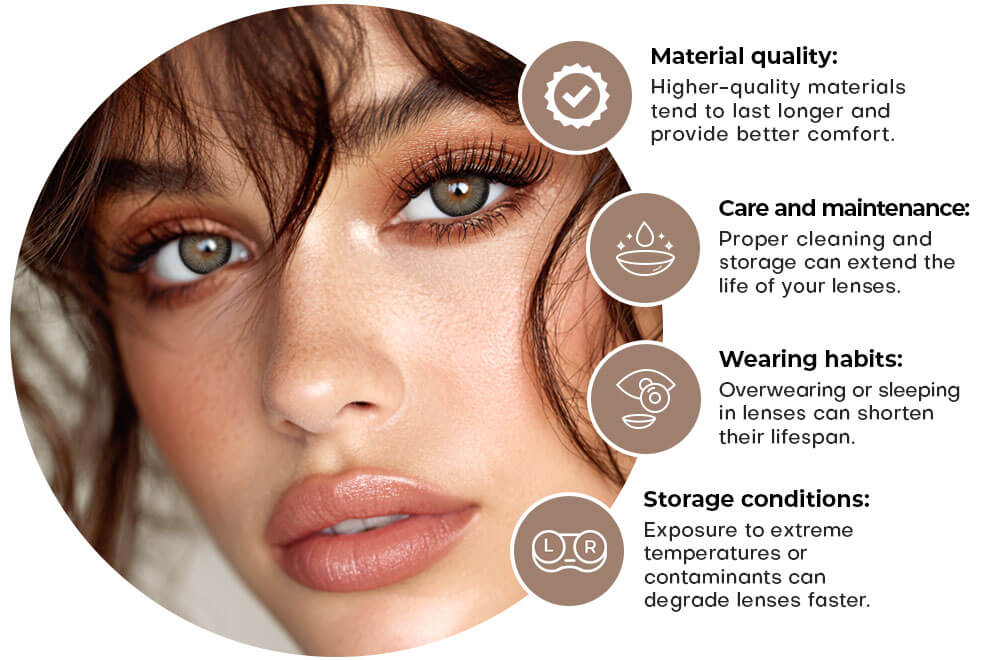
Special effect contact lenses come with different names - costume, theatrical, Halloween, decorative, or colored contacts - and they all share one key feature: they change your eye's appearance rather than help you see better.
What makes them different from regular lenses
These lenses stand apart from regular contacts in both design and purpose. You'll find dyes and printed patterns that create unique visual effects in these lenses, ranging from subtle color changes to dramatic looks like cat eyes or vampire appearances.
The materials in these decorative lenses are thicker, more rigid, and don't let as much air through compared to standard contacts. Their uneven surface can damage your eyes if they don't fit right. There's another reason to be careful - some non-prescription colored contacts might contain harmful chemicals. Lead used in lens coloring can seep through your eyes into the bloodstream.
Why they're considered medical devices
The FDA puts all contact lenses, including non-corrective decorative ones, in the Class II medical devices category. These lenses touch your eyes directly, so they need strict safety, sterility, and proper labeling.
You might see special effect contacts as fashion accessories, but they need the same medical supervision as prescription lenses. So, you'll need a valid prescription and proper fitting by an eye care professional before using them. This makes sense because all but one of these eyes are unique in shape and size, like fingerprints.
Are colored contacts safe for occasional use?
Prescription colored contacts can be as safe as regular contact lenses if they fit properly and you follow professional guidance. All the same, getting them through legitimate channels with a valid prescription is crucial.
Non-prescription colored contacts can be dangerous. A 2011 study showed that people wearing colored contacts were 16 times more likely to get keratitis (a serious eye infection) than those with regular contact lenses. The FDA looked at over 300 cosmetic contact lenses and found microbial contamination in 60% of counterfeit lenses and 27% of unapproved one.
To use these lenses safely once in a while, talk to an eye doctor first, get a proper prescription, buy from trusted sources that ask for prescriptions, and follow cleaning instructions carefully.
Common Risks of Improper Lens Care
Poor care of special-effect contact lenses can cause serious health problems beyond just temporary discomfort. Anyone who thinks about colored contacts should know these risks. Research shows that non-prescription colored contacts make you 16 times more likely to get keratitis than regular contact lenses.
Eye infections and corneal damage
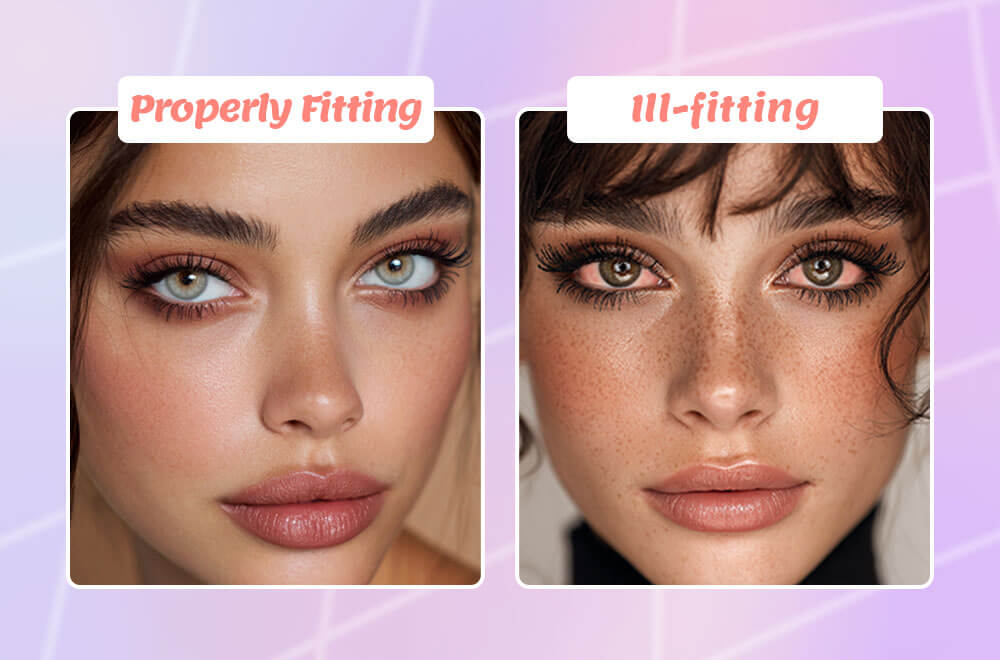
Special effect lenses can trap bacteria against your eye's surface if you don't clean them properly with appropriate contact solution. This often triggers keratitis, a painful infection that damages the cornea. Lenses that don't fit right can scratch the cornea and cause abrasions. These tiny scratches leave your eyes open to bacterial, fungal, and parasitic infections.
Microbial contamination poses a major threat. An FDA study revealed that all but one of three unapproved lenses contained harmful bacteria, including Pseudomonas aeruginosa and Bacillus cereus. Some infections like herpes simplex tend to come back and resist treatment.
Vision loss from unregulated lenses
Improper lens care can cause permanent blindness. Some people have lost part or all of their vision after wearing unregulated contacts just once. White dots called corneal ulcers can appear on the iris faster and cause permanent damage within hours without treatment.
A woman in her 20s bought costume lenses from a novelty store and needed a corneal transplant within 24 hours due to infection. Another case involved a teenager who developed such a severe corneal ulcer from unprescribed colored lenses that contact lenses became impossible for her to wear again.
How poor hygiene increases risk
Bad hygiene makes infection risks much worse. Handling lenses without washing your hands first lets harmful microorganisms in. On top of that, it creates perfect conditions for Acanthamoeba growth when you store lenses in non-sterile containers or use tap water instead of proper contact solution. This organism lives in water and can cause serious corneal infections.
You should never "top-off" solution in your case – throw away leftover solution after each use. Your contacts should never touch any water – tap, bottled, distilled, lake or ocean water all contain harmful microbes.
How to Safely Clean Special Effect Contacts
Your special effect contacts need proper cleaning to keep your eyes healthy and make your lenses last longer. You can prevent eye infections and other complications by doing this.
Wash your hands before handling lenses
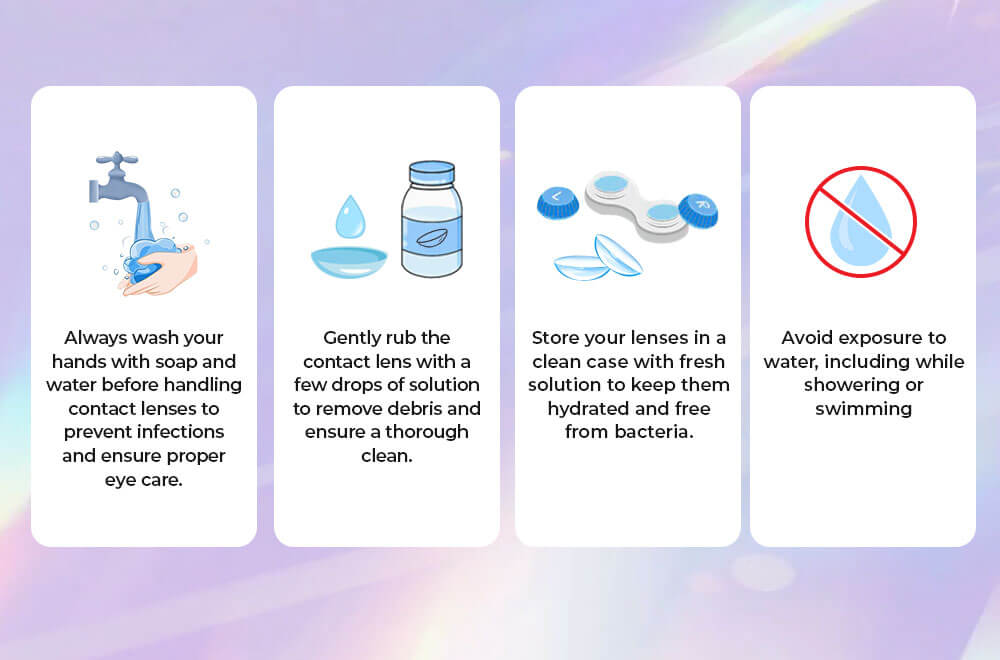
Clean hands are vital before touching your contacts. Use antibacterial soap and water to scrub for at least 20 seconds - about as long as singing "Happy Birthday". Use a lint-free towel to dry your hands completely so no water gets on your lenses.
Use only the approved contact lens solution
Your contacts need a specialized multipurpose solution or hydrogen peroxide-based cleaners. These products are made just for disinfecting contact lenses. Multipurpose solutions handle cleaning, rinsing, disinfecting, and storing your contacts in one step. Hydrogen peroxide systems clean deeper, but need neutralization before you put in your lenses.
Avoid using tap water or saliva
Never clean your contacts with tap water, homemade solutions, or saliva. Tap water has Acanthamoeba, a microorganism that can damage your sight with severe infections. A single drop of saliva contains about 60,000 bacteria.
Rub and rinse lenses properly
Put each lens in your palm and add a few drops of solution. Gently rub for 10-20 seconds. This helps remove deposits. Rinse with fresh solution afterward.
How often should to clean your lenses
Clean your lenses each time you use them. Put in fresh solution daily - don't "top off" or reuse old solution. Your lenses need disinfecting at least every seven days, even if you don't wear them often.
Best Practices for Storing and Reusing Lenses
For special-effect contact lenses, storage methods are just as important as cleaning procedures. Proper storage prevents contamination and helps extend the lifespan of your lenses.
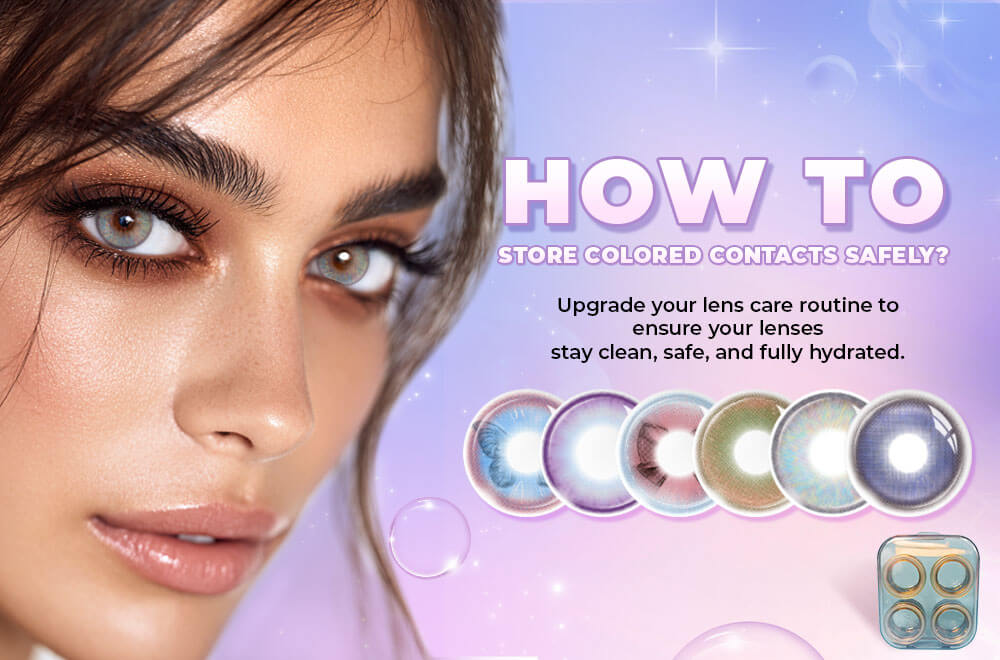
How to store colored contacts safely
Your colored contacts need a clean lens case filled with fresh solution. Never reuse old solution or add new solution to existing solution because this makes disinfection less effective. A dry, clean environment works best for storing cases - bathroom humidity makes storage unsafe. You should empty the old solution after putting in your lenses. Then rinse the case with fresh contact solution (not water) and let it air dry without caps. The solution needs replacement if you haven't worn contacts for 72 hours to prevent protein buildup.
Choosing the best contact solution for colored contacts
A good contact solution for colored contacts needs a pH level of 7.5, as with your natural tears. Most people use multipurpose solutions because they clean, disinfect, and store soft lenses in one step. Multipurpose solutions work better for storage beyond 24 hours since their disinfection power stays stable. While hydrogen peroxide systems clean deeply, they need neutralization and only keep lenses sterile for seven days. Your eye doctor's recommendation for solution type matters most.
When to replace your lens case
All but one of these experts agree - replace your contact lens case every three months. In fact, more than 80% of contact lens users keep their cases longer than they should. Bacteria will grow in cases despite proper cleaning. You need a new case right away if you see cracks, discoloration, or stubborn residue.
This is precisely why the GleGlow Lens Case is highly recommended—it features a sealed, moisture-proof structure that minimizes lens dehydration. The case interior employs a smooth, texture-free lining that resists protein buildup and impurities, making cleaning easier and storage more hygienic. For users who wear colored or special-effect contact lenses daily or long-term, it significantly enhances care safety and overall experience.
Signs your lenses should be discarded
Bad lenses can cause discomfort, itching, or blurry vision from buildup or damage. Physical damage or tears mean immediate replacement. The replacement schedule matters too - monthly lenses must go after one month because proteins and oils get trapped in the material.
Conclusion
Special-effect and colored lenses add flair and style — but only when treated with care. By combining simple, consistent cleaning habits with a reliable kit like the GleGlow Care Kit, you give your eyes the best protection and keep your lenses looking their best.
Whether you wear them occasionally for cosplay or regularly for fashion, good hygiene isn’t optional — it’s essential. Treat your lenses with care, and you’ll enjoy beautiful eyes without compromising comfort or eye health.