When people look up eye color transformation contact lenses, they’re usually searching for one of three things:
-
a subtle tone change that still looks natural,
-
a noticeable shift without looking artificial, or
-
a safe way to explore new colors before committing to a full box.
Instead of dramatic cosplay styles, transformation lenses focus on controlled opacity + soft patterning, giving your eyes a new tone while keeping your natural depth visible.
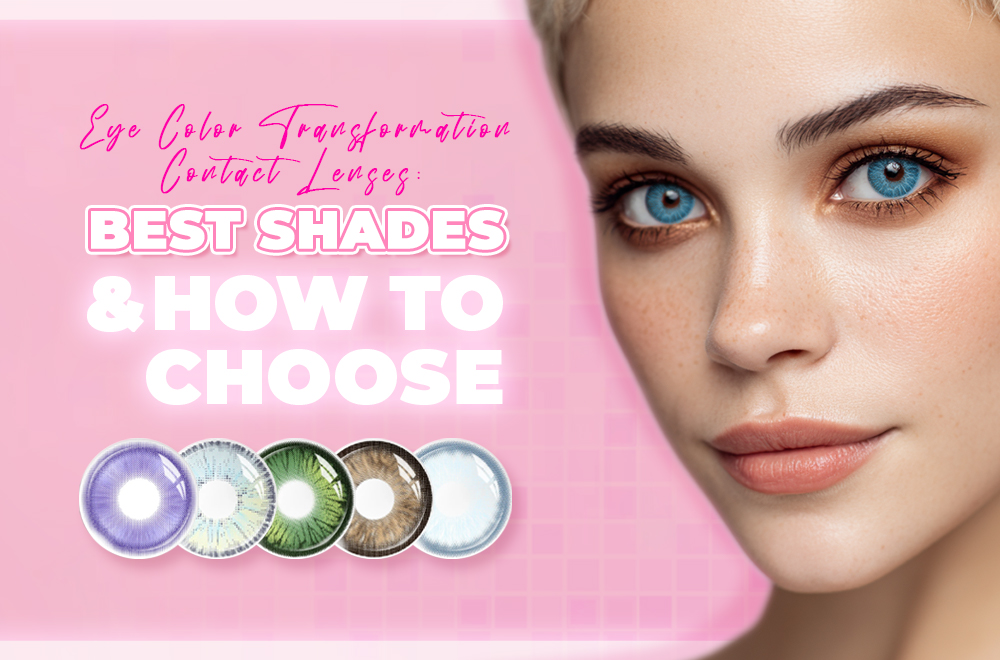
🔍 What "Eye Color Transformation" Actually Means
Transformation lenses aren’t designed to cover your iris the way high-opacity cosplay lenses do completely.
They work differently:
-
Tone-shifting pigments sit lightly over your iris to brighten or cool your natural shade.
-
Gradient layering adds dimension, so the color doesn’t look flat.
-
Selective opacity ensures the new color shows, but your natural pattern still blends through.
This is why transformation lenses often feel more believable than enhancement-only or full-opacity designs.
🎨 Which Transformation Style Fits Different Natural Eye Colors?
➤ For Dark Brown Eyes
Look for: medium opacity + muted tones
Why: keeps the change noticeable but not harsh
Common successful tones:
-
smoky gray
-
teal-blue blends
-
hazel with warm flecks
➤ For Medium Brown Eyes
Look for: multi-tone designs
Why: they blend beautifully without washing out the original color
Best picks:
-
soft green
-
lavender-gray
-
warm amber
➤ For Light Eyes
Look for: cooler or deeper tones
Why: lighter irises reflect color easily
Great choices:
-
ocean blue
-
graphite gray
-
moss green
🧭 How to Choose the Right Transformation Lens (Without Guessing)
Most people worry about choosing a color that looks “too much.”
The trick is to match the lens to the mood you want—not just the color.
| Desired effect | What to choose |
|---|---|
| Subtle shift | gradient gray, soft hazel |
| Brighter eyes | cool blue, olive green |
| Defined look | tones with a gentle limbal ring |
| Softened face shape | lavender or foggy gray |
| More contrast | clean blue or green blends |
It’s less about picking a color, and more about choosing the light output the lens creates.
🌟 Where GleGlow Fits Into the Transformation Category
Rather than offering dramatic “costume” colors, GleGlow focuses on tonal balance and realistic layering—ideal for people who want a noticeable shift that still looks wearable.
A few examples users gravitate toward:
→ GleGlow Chroma Blue
Blue with quiet green undertones; blends especially well with warm skin tones.
.jpg?w=1000&h=660)
→ GleGlow Olivis Brown
A warm, golden-brown shift that feels almost like a natural eye upgrade.
.jpg?w=1000&h=660)
→ GleGlow Coco Light Purple
A lavender-gray tone that softens the overall eye expression.
.jpg?w=1000&h=660)
→ GleGlow Verna Green
Not a bold emerald — more of a transparent, fresh green overlay that brightens brown eyes gently.
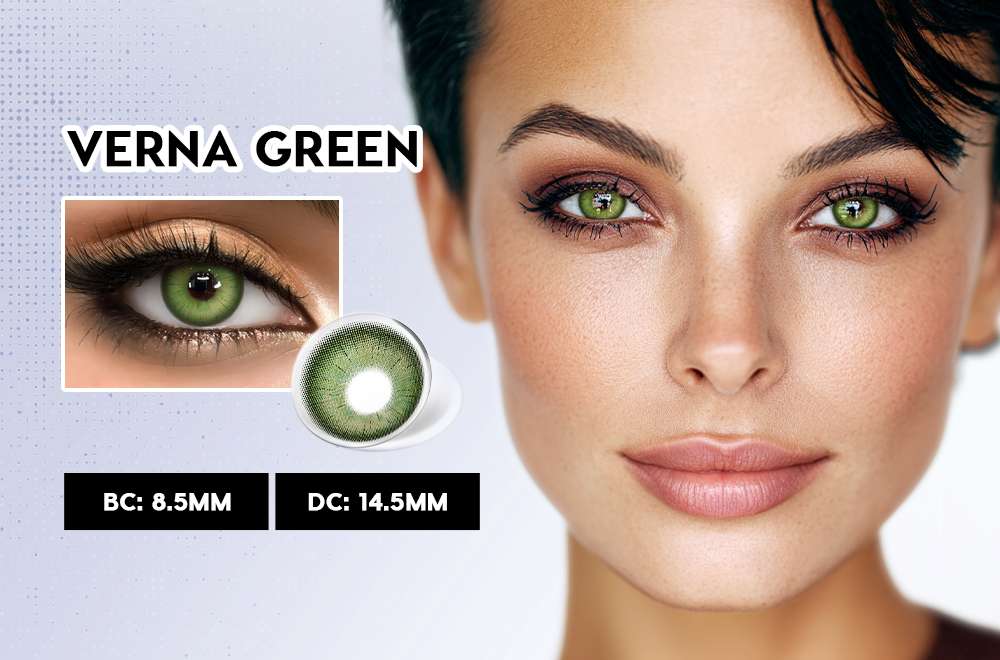
None of these colors tries to erase your natural iris.
They’re designed to work with it, which is why they transform without looking artificial.
📸 When Transformation Lenses Make a Real Difference
Transformation lenses aren’t just for events — everyday users report visible changes in:
-
natural daylight selfies
-
vacation photos
-
Zoom or video calls
-
minimal-makeup days
-
evening outings
Because the change sits close to your natural iris, the effect feels integrated, not “worn.”
🧩 Final Takeaway
Eye color transformation contact lenses aren’t about changing who you are.
They’re about refining the version of you that already exists — a brightness, a softness, a shift in mood.
If you’re looking for lenses that don’t fight your natural iris but elevate it, balanced tones like those in GleGlow’s range tend to deliver the most believable, wearable results. Learn more about GleGlow Contact Lenses.